Blog
If you are weighing up a new roof, a reroof, or whether your current roof is worth restoring, you are not alone. Both Colorbond roofing and tiled roofing are common across Australian homes, and both can work brilliantly in the right setting. The catch is that there is no one-size-fits-all answer. The right choice usually comes down to budget, the look you want, how much maintenance you are comfortable with, and the age and style of the home itself.
For many homeowners, the better question is not simply which material is best between a Colorbond roof vs tile roof. It is determining which roof will suit your property, cope with coastal conditions, and make sense for your long-term maintenance goals. That is especially true in a wet coastal environment, where roof performance depends not just on material, but on installation quality, drainage, flashings, inspections, and upkeep over time.
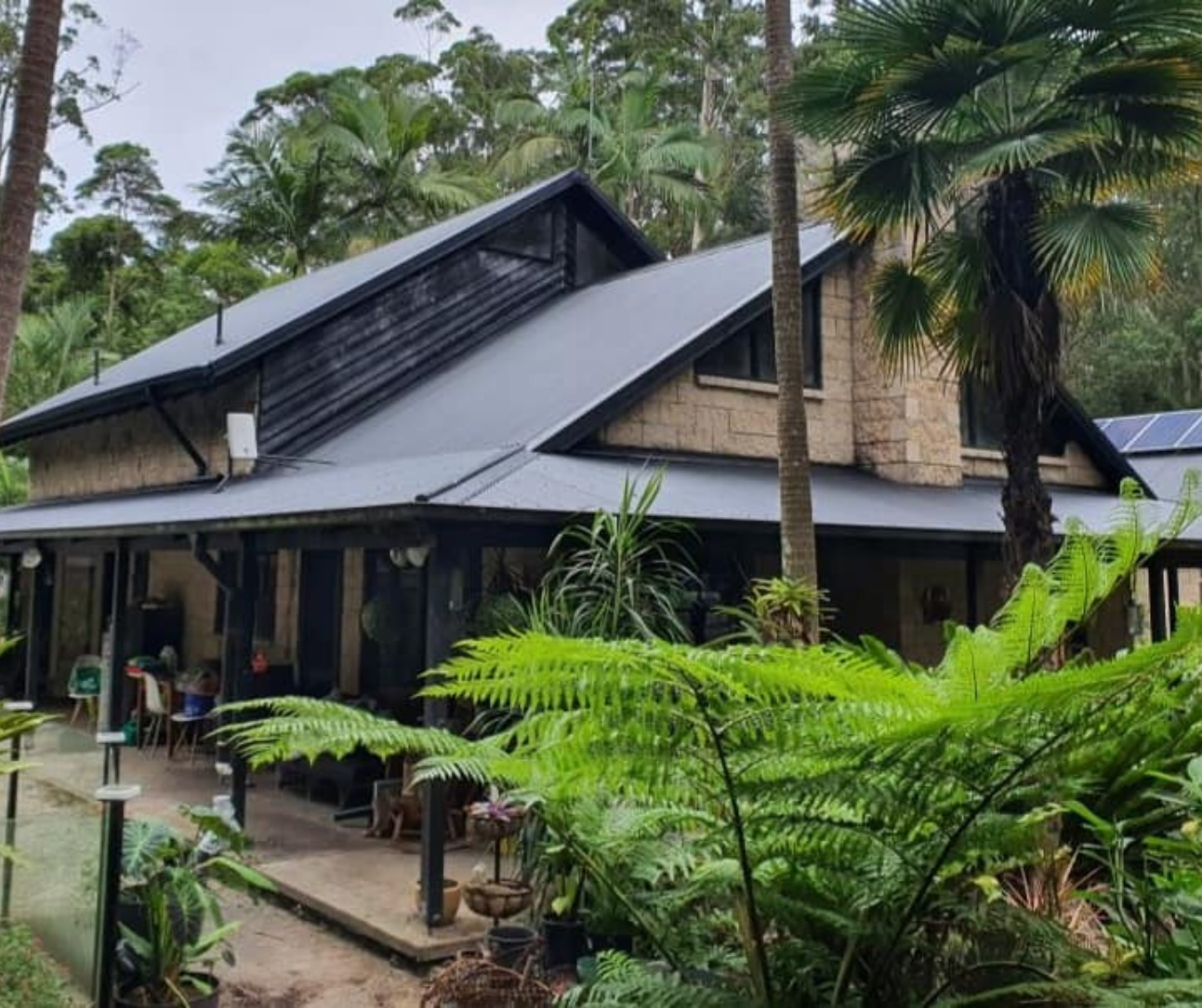
Understanding the Real Difference Between Colorbond Roof vs Tile Roof Before You Compare
Before you get into costs, lifespan, or aesthetics, it helps to strip the decision back to basics. Metal and tile roofs solve the same problem in very different ways, and those differences affect everything from structure to maintenance.
What is Colorbond Roofing?
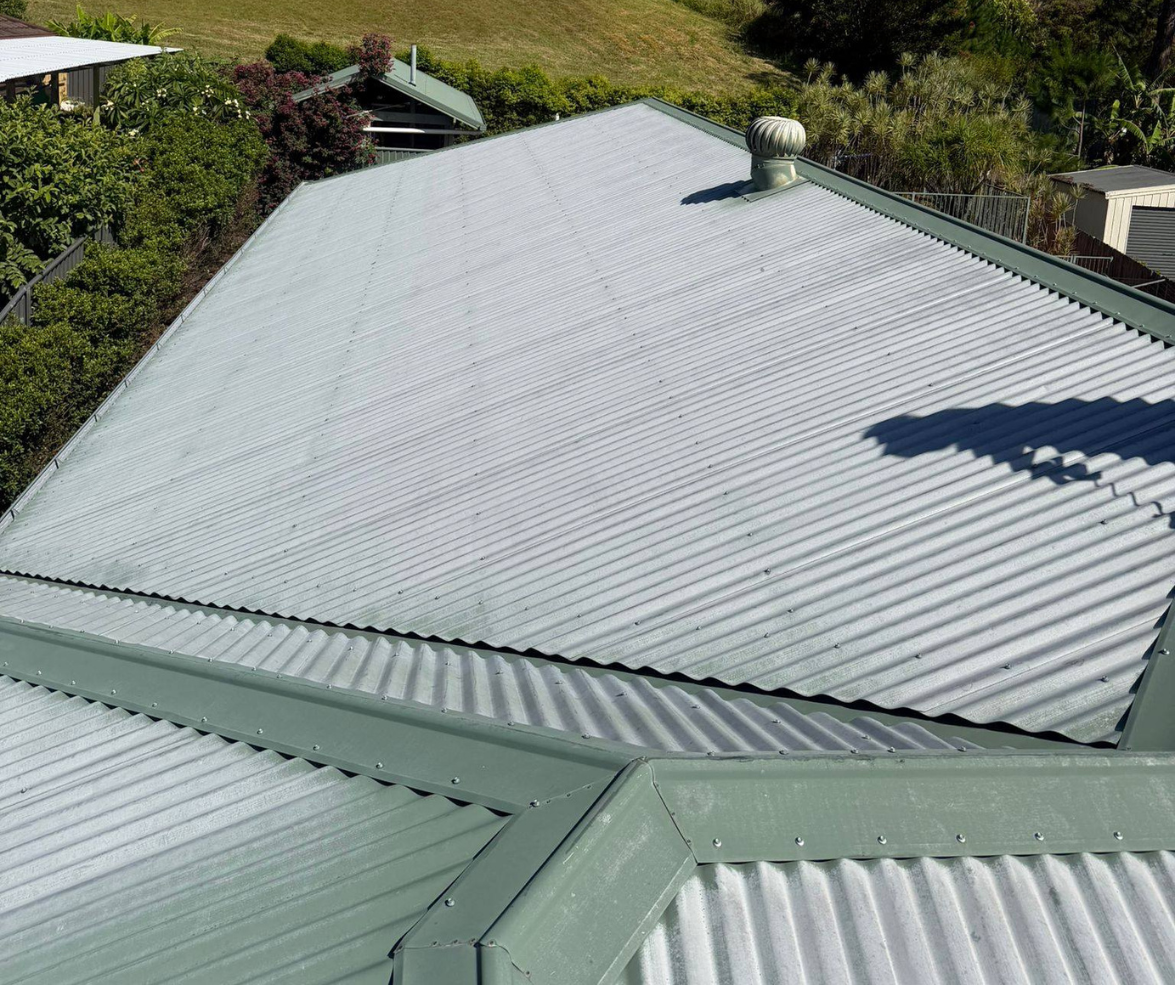
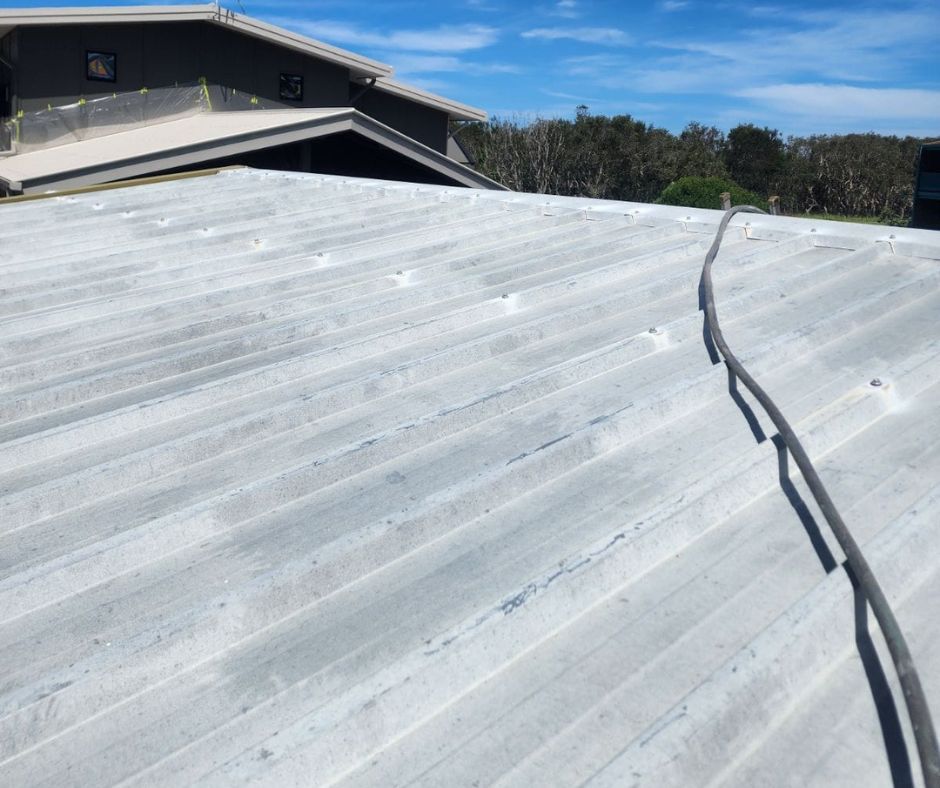
Colorbond is pre-painted steel roofing developed for Australian conditions. It is widely chosen for its lighter weight, clean lines, broad colour range, and strong fit with both modern homes and many updated older properties.
In practical terms, homeowners are usually drawn to steel roofing because it feels streamlined and comparatively low-maintenance. It is also easier to coordinate with gutters, fascia, and exterior repainting, which matters when you want the whole home to feel visually consistent rather than patched together.
What is Tile Roofing?
Tile roofs are usually made from concrete or terracotta, though clay and slate also appear in the broader category. They have a more textured, traditional appearance and are especially common on established suburban homes and older Australian housing styles. Tiles have been used for decades because they offer a classic roofline, strong street appeal, and a sense of solidity that many homeowners still prefer.
Why Homeowners Compare The Two
Most people comparing steel and tile are really comparing ownership experience. They want to know which roof is likely to cost less upfront, what will be cheaper to maintain over time, which one better suits the look of the house, and how each performs in the rain. They also want to know whether the current roof should actually be restored instead of replaced.
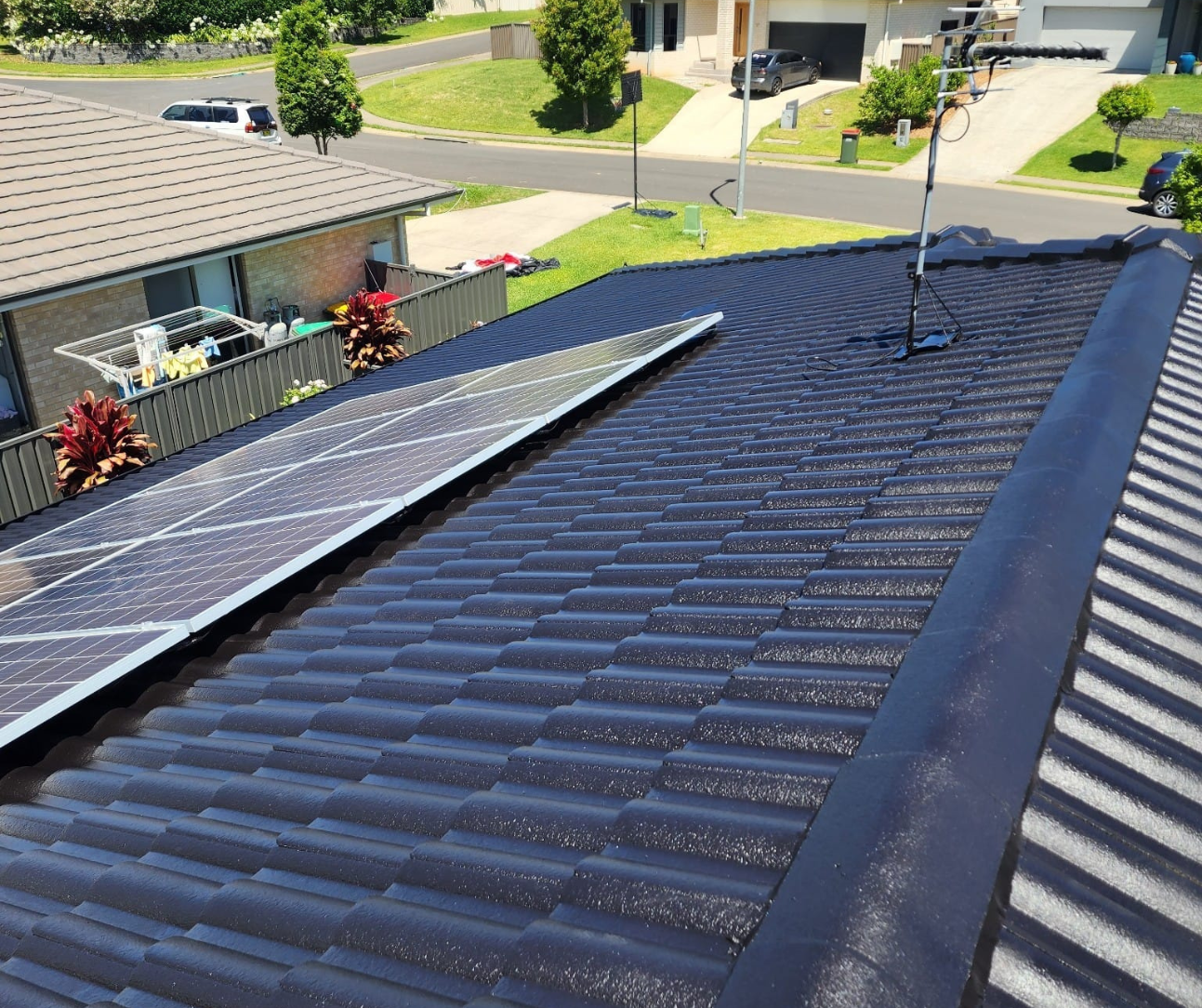
Colorbond vs Tile Roof: The Side-by-Side Comparison Most Homeowners Need
When comparing the two, the best choice usually comes down to:
Upfront Cost
Tile roofing can sometimes be more cost-effective upfront, which is why it often appeals to homeowners focused on the initial investment. Colorbond roof vs tile roof comparisons can shift quickly, though, because Colorbond’s lighter weight may simplify installation and reduce some labour complexity.
Long-Term Maintenance Costs
Colorbond is generally seen as the lower-maintenance option, although dents, scratches, and isolated damaged sections may still need attention over time. Tile roofs can become more expensive to maintain because cracked tiles, ridge capping issues, repointing, moss build-up, and periodic restoration work can all add to the long-term cost.
Lifespan and Durability
Both roofing materials can last for decades when they are high quality and properly looked after, with tile often known for longevity and Colorbond valued for durable performance in Australian conditions. In any colorbond vs tile roof decision, the installation quality matters just as much as the material itself, because poor workmanship can shorten the life of either system.
Weight and Structural Considerations
Tile roofs are much heavier than Colorbond roofs, and that extra weight can be a major factor on older homes or properties being converted from one roof type to another. In a tile roof vs Colorbond comparison, this matters most for reroofing projects, structural loads, and homes where a lighter roofing solution may be the safer or more practical fit.
Appearance and Street Appeal
Tile often suits traditional, classic, and old suburban homes because it adds texture and a more familiar architectural look. Colorbond usually suits contemporary and minimalist homes, but it can also work very well in retrofit projects where homeowners want a cleaner roofline and a more updated finish.
Noise and Comfort
Tile often feels quieter during heavy rain because of its density, which is one reason some homeowners prefer it for acoustic comfort. Colorbond can still perform well in this area when paired with proper roof insulation, sarking, and thoughtful roof design, so noise is not just about the material alone.
Thermal Performance
Thermal performance depends on more than whether the roof is steel or tile, because roof colour, insulation, ventilation, and sarking all affect how the home holds heat. In most cases, the overall roof system has more influence on comfort than the material choice on its own.
Which Roof is Better for Coastal Homes?
For coastal homeowners, the right roof choice is not just about looks or upfront price. Salt exposure, regular moisture, and ongoing maintenance all play a bigger role near the coast, which means the best option is usually the one that is properly selected, installed, and cared for over time.
Salt Air and Corrosion Considerations
Coastal exposure matters for metal roofs because salt-laden air can speed up corrosion if the wrong product is chosen or the roof is poorly detailed. That is why correct material selection, quality installation, and regular maintenance are necessary if you want a metal roof to perform well in coastal conditions.
Tile Roof Considerations in Coastal Conditions
Tile roofs can suit coastal homes well, but they still come with their own maintenance issues over time, including moss, debris build-up, ageing pointing, and cracked or slipped tiles. If those problems are left unchecked, they can increase the risk of water entry and lead to more costly repairs later on.
Why Maintenance Still Matters Whichever Roof You Choose
No matter which roof you choose, its lifespan will depend heavily on how well it is maintained. Gutters, flashings, sealants, ridge caps, and regular inspections all play a part in protecting the roof system and helping it perform properly in coastal conditions.
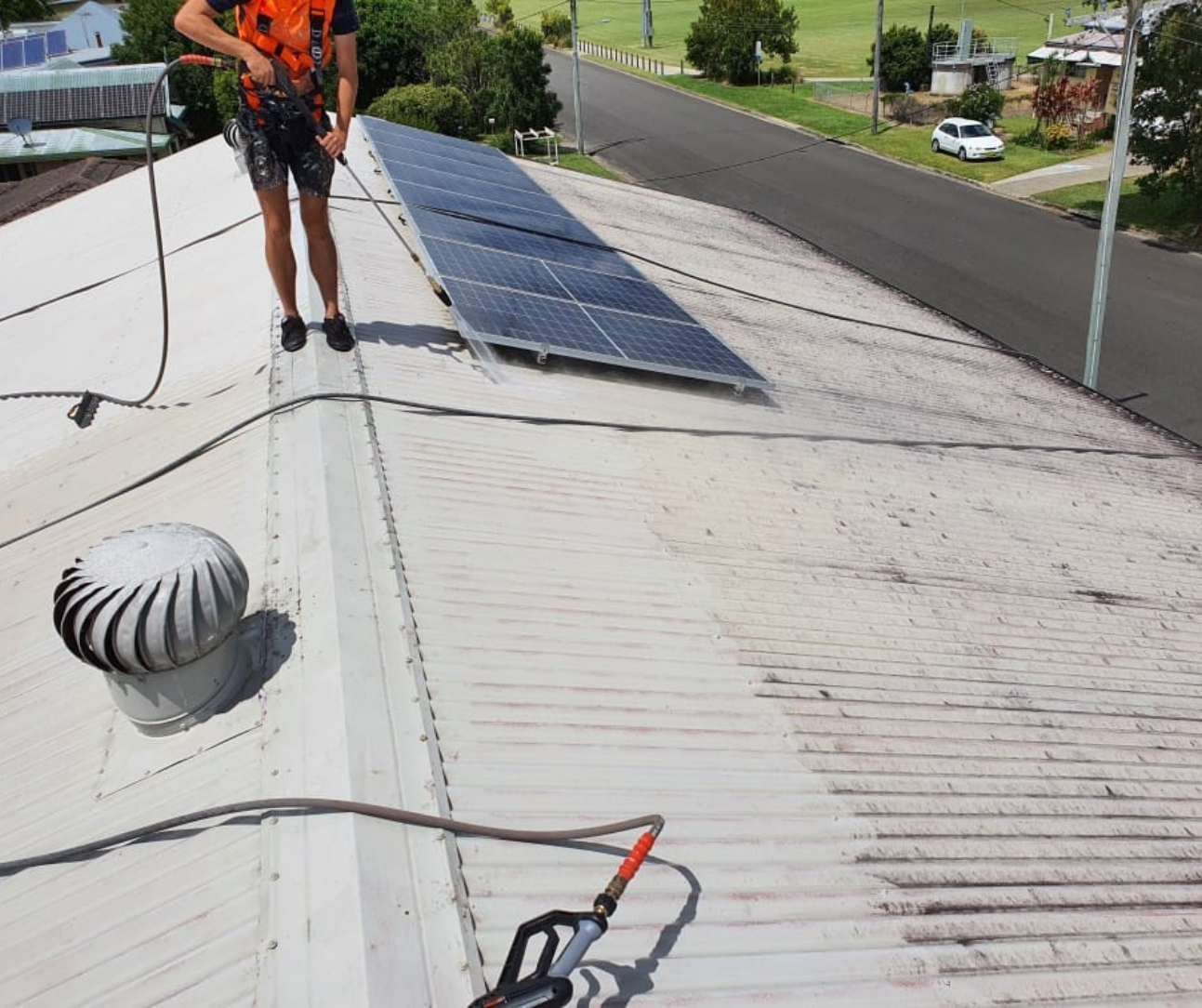
Tile Roof vs Colorbond: What Usually Works Better on Older and Newer Homes
The best roof is often the one that looks and behaves like it belongs on the house.
When Tile is Often the Better Fit
Tile is often the stronger fit on traditional homes, homes with an existing tiled roof in repairable condition, and properties where owners love that classic textured finish. It also appeals to homeowners who value quieter rainfall sound and want to preserve a familiar suburban or heritage-style feel rather than modernise the roofline too aggressively.
When Colorbond is Often the Better Fit
Steel is often the better fit for modern aesthetics, lightweight reroofing, owners chasing lower maintenance, and homes where a neater, more minimalist line suits the architecture. It can also work very well on older homes being visually updated, especially when the broader exterior is being refreshed at the same time through repainting, fascia work, or gutter upgrades.
When the Better Decision is Restoration, Not Replacement
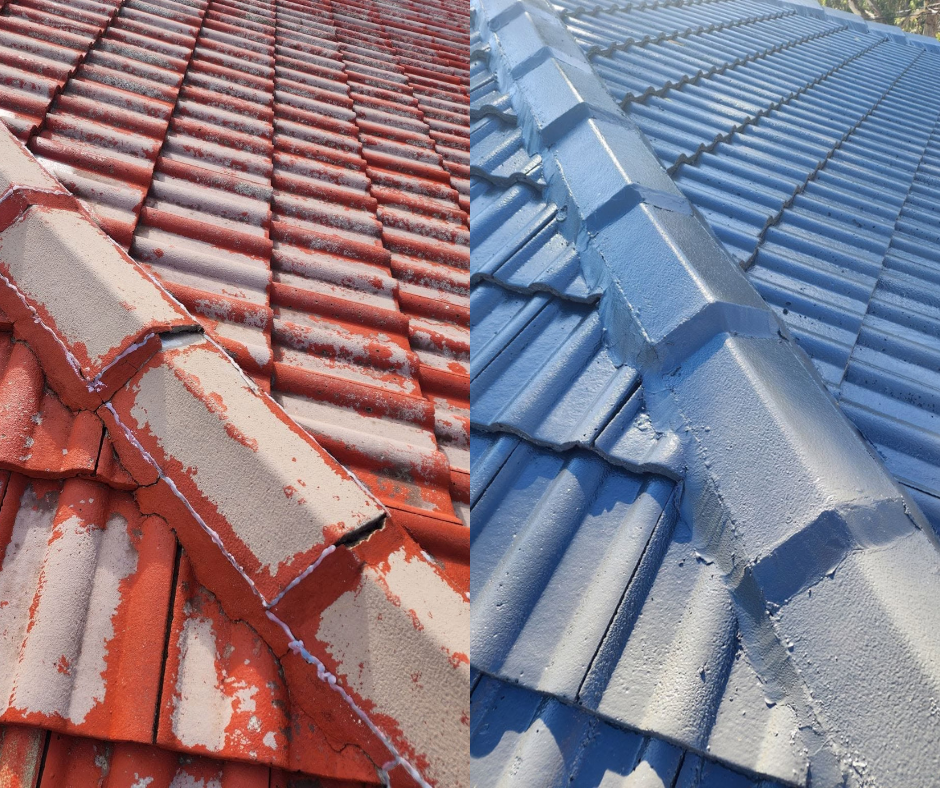
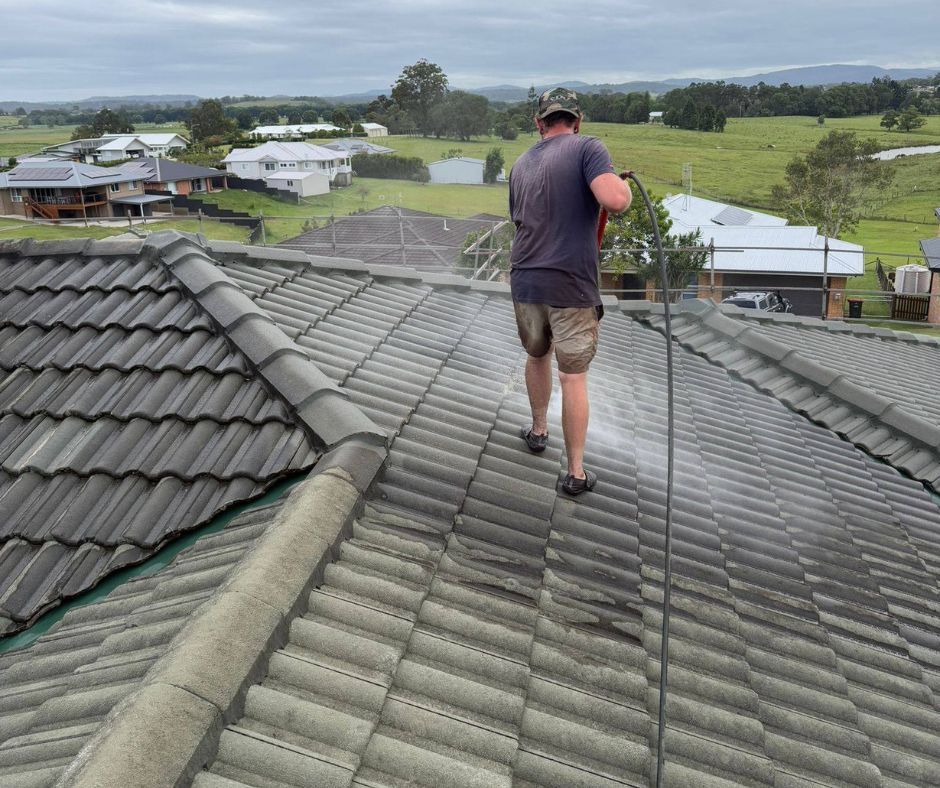
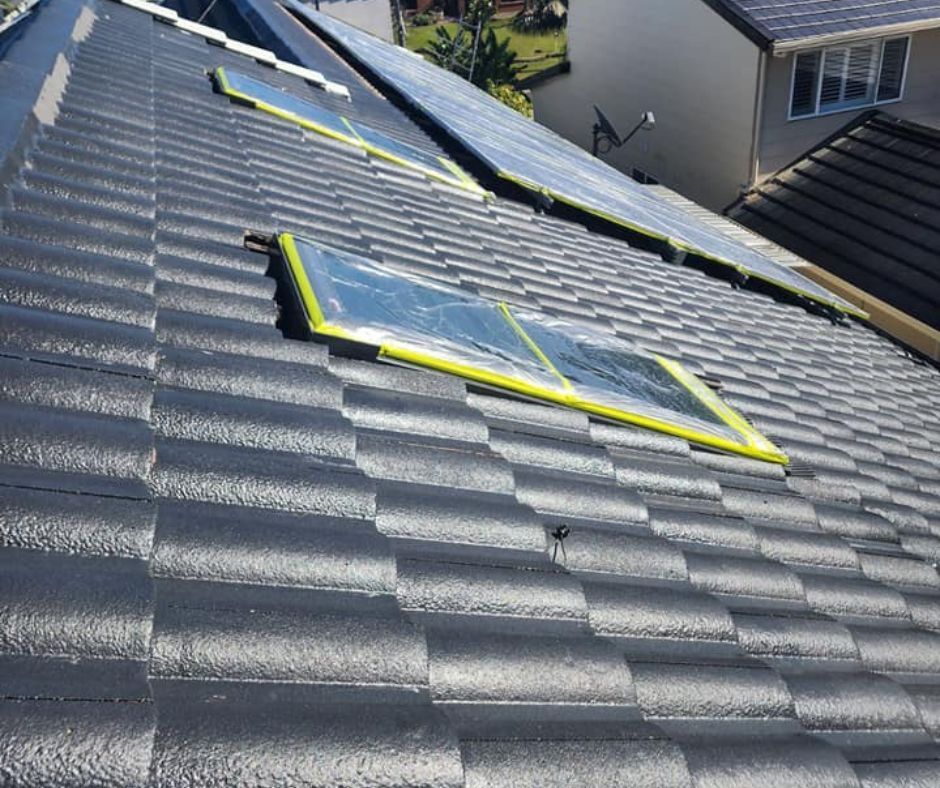
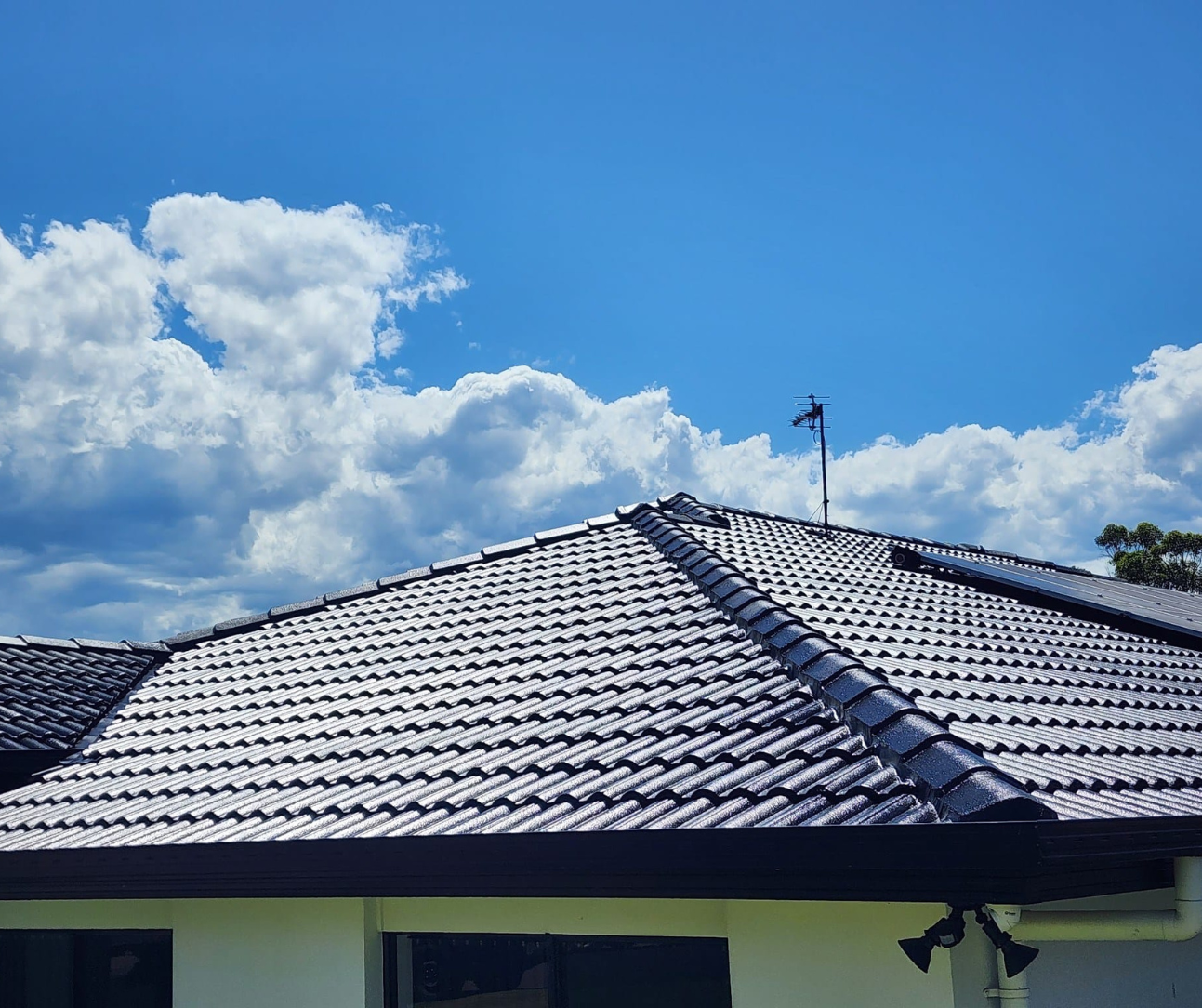
Sometimes the smartest option is not a full replacement at all. If the roof is structurally sound and the issues are cosmetic or localised, restoration can be the more sensible spend. That might include cleaning, repairs, repointing, replacing damaged sections, and repainting or resealing where appropriate.
How to Make the Right Roofing Decision Without Guesswork
Consider your budget now and over time
Look past the first quote. Think about what you can spend now, what maintenance you are willing to fund later, and how long you plan to stay in the home. A cheaper option can be outweighed by years of extra upkeep, while a higher upfront spend may feel justified if it reduces future intervention or better suits the home.
Think about the style of your property
Step back and look at the house, not just the roof sample. A roof should support the architecture and the street presence of the property. In old Coffs Harbour suburbs, some homes look more natural with tile. Others benefit from the cleaner line of steel, especially after exterior upgrades.
Consider your maintenance tolerance
Some owners are happy to stay on top of periodic repairs and restoration work. Others want the closest thing possible to set-and-forget. Neither preference is wrong, but being honest about it helps. Choose the system you are realistically willing to maintain.
Get the current roof assessed before deciding
Before you commit to a replacement, get the roof inspected properly. The assessment may show the roof is restorable rather than replaceable, which can save a substantial amount and preserve the look of the home. In many cases, a professional opinion can stop homeowners from replacing a roof that still has years of life left in it.
The Best Roof is the One That Works for Your Home Over Time
A Colorbond vs tile roof decision is rarely settled by one feature alone. It comes down to the look you want, the maintenance you are comfortable with, your budget, coastal exposure, and the current condition of the property. Steel often wins on weight, streamlined appearance, and lower routine maintenance. Tile stays popular for classic street appeal, quieter rainfall acoustics, and traditional homes. In plenty of cases, though, the best answer is neither full tile replacement nor full steel conversion. It is a smart restoration plan based on the roof you already have.
ColourMe Painting Roof Restoration offers professional roof painting, roof repairs, and roof cleaning in Coffs Harbour and Port Macquarie, making it easier to get practical advice and the right service for your roof in one place.
If you want clear, property-specific guidance on whether your roof should be repaired, restored, repainted, or replaced,
booking a roof assessment is the next step.
Key Takeaways
- There is no universal winner in the tile roof vs Colorbond roof debate. The right choice depends on the home, the owner, and the long-term plan.
- Steel is often preferred for lighter weight, modern style, and lower routine maintenance.
- Tile remains popular for classic street appeal, acoustic comfort, and traditional homes.
- Long-term maintenance can materially change the real cost of ownership.
- Coastal conditions around Coffs Harbour should shape the decision, especially where salt exposure and frequent wet weather are part of everyday roof performance.
- In many cases, restoration may be more cost-effective than a full replacement.
Frequently Asked Questions
1. Is a Colorbond roof better than a tile roof?
Not in every case. A steel roof may be better for homeowners prioritising lighter weight, a cleaner look, and lower routine maintenance. Tile may be better where classic appearance, rainfall acoustics, or compatibility with an older home matter more. The better option is the one that suits the house and the maintenance expectations of the owner.
2. What lasts longer: Colorbond or roof tiles?
Both can last for decades when installed well and maintained properly. Terracotta tile is often described as especially long-lasting, while well-installed steel roofing is also built for long-term Australian conditions. Installation quality, drainage, and upkeep matter as much as the material itself.
3. Is a Colorbond roof cheaper than a tile roof?
Sometimes, but not always. Tiles can be cheaper upfront in some projects, while Colorbond can narrow the gap through lower handling and installation complexity. The structure of the home and the scope of the job usually decide the real answer.
4. Are tile roofs noisier or quieter than Colorbond roofs in the rain?
Tile is usually perceived as quieter. Steel can sound louder under rainfall, but good insulation and roof design can make a significant difference to comfort inside the home.
5. Which roof is better for coastal homes?
There is no single winner. Metal roofs need the right product choice and detailing for marine conditions, while tile roofs still need regular inspections for cracked sections, ridge issues, moss, and water entry risks. The best option comes from the full roof system and maintenance.
6. Does a Colorbond roof make the house hotter?
Not really. Heat performance depends on colour, insulation, ventilation, sarking, and the wider roof build-up, not just whether the covering is steel.
7. Are tile roofs more expensive to maintain?
They often are over time, because repairs can include cracked or slipped tiles, ridge capping work, moss treatment, and restoration tasks that steel roofs do not usually require in the same way.
8. Can you replace a tile roof with a Colorbond roof?
Yes, in many cases. In fact, the lighter weight of steel is one reason homeowners consider that conversion. The structure still needs to be assessed properly before work begins.
9. Is it better to restore a tile roof or replace it?
If the roof is structurally sound and the issues are mainly cosmetic or localised, restoration can be the more cost-effective choice. An inspection is the only reliable way to know.
10. Which roof adds more value to a home?
Usually, the one that best suits the home, looks well-maintained, and reassures buyers that major roof issues are not waiting for them after settlement. A tired roof hurts value more reliably than the “wrong” material does.
Let’s talk about your project
Fill out the form, or call us to arrange a free roof assessment and written quote
Home Page Form