Blog
Skylights can absolutely transform a dark home into a brighter, welcoming space that finally doesn’t feel and look like a cave. But the reality is, a skylight is still a penetration through your roof. That means the result depends on your roof’s condition and type, and how precisely the flashing and waterproofing are designed and installed.
In Coffs Harbour and Port Macquarie, where salty coastal air, sticky humidity, and wind-driven rain quickly expose any weak spot, “good enough” installation rarely holds up for long. Installed properly, skylights are a real improvement to your home. Installed poorly, they can turn into a recurring maintenance headache.
In this guide, you’ll get a practical breakdown of the pros and cons of skylights, how to tell if your roof is a good candidate, what actually drives cost, and what you can do to protect performance long-term.
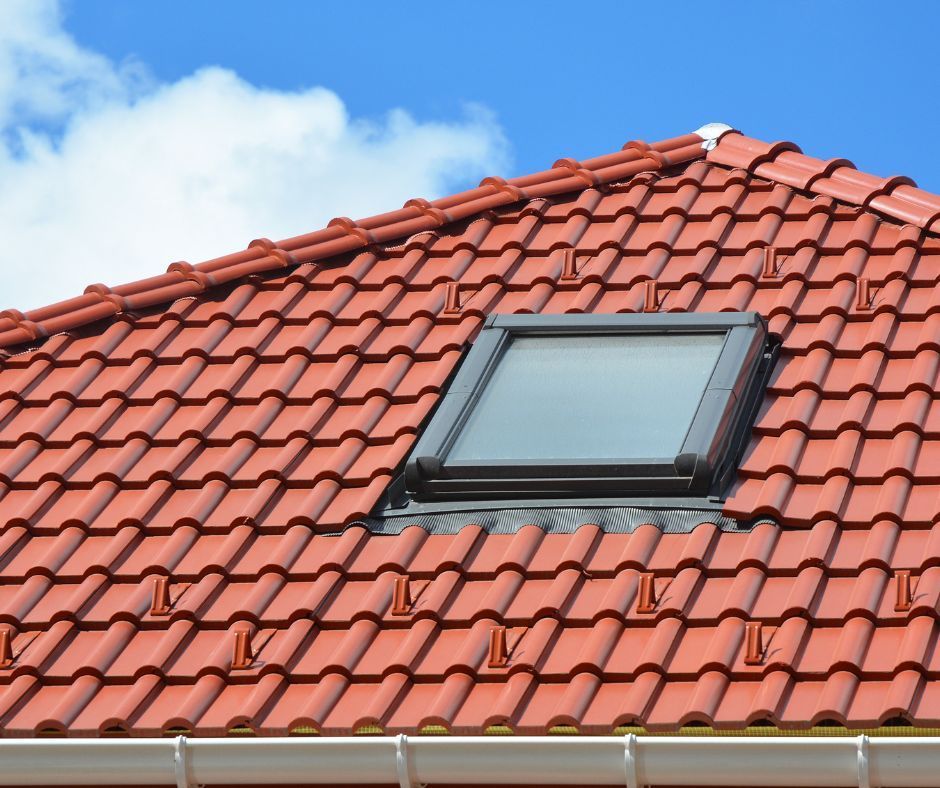
What Counts as a “Skylight” in Roofing Terms
Before you weigh up the pros and cons of having skylights, it helps to know what roofers mean when they say “skylight.” In practice, there are a few categories and each has a different footprint on your roof structure, flashing and waterproofing requirements.
Fixed Skylights (Non-opening)
A fixed skylight is essentially a sealed window in the roof. No ventilation function, just daylight. It’s often chosen for spaces where you want light but don’t need airflow (think stairwells, hallways and living areas).
Roofing considerations:
- A properly flashed fixed unit can be very reliable, but the waterproofing details have to be spot-on.
- Glazing choice matters for thermal comfort, especially if the skylight faces afternoon sun.
- Internal finishing (the “light shaft” or ceiling trim) can be simple or complex, depending on the roof cavity depth.
Venting Skylights
Venting skylights open, so they can exhaust hot air and moisture. They’re popular in bathrooms, laundries, kitchens, and top-floor rooms that trap heat.
Roofing considerations:
- More moving parts mean more attention to seals, fitment, and long-term maintenance.
- If you’re close to the coast, salt air and weather exposure make quality components and proper installation even more important.
- Placement matters: you want airflow benefits without putting the unit where water naturally pools.
Sun Tunnels/Tubular Skylights
Sun tunnels (also called tubular skylights) are designed to deliver daylight through a smaller roof opening. A roof-mounted collector captures daylight and channels it down a reflective tube to a diffuser in the ceiling.
Roofing considerations:
- Smaller roof penetration often means simpler waterproofing and fewer structural changes.
- Great for tight roof cavities, awkward framing, and smaller rooms where a full skylight might be overkill.
- Often a strong option when you want daylight but want to minimise roof disruption.
Which Option Suits Your Roof Best
This is where a meticulous roof assessment pays off. The “best” skylight isn’t just about style, it’s about what your roof can handle cleanly.
- Pitch: Steeper roofs typically shed water faster, which can be favourable for skylights, provided the flashing is detailed correctly. Low pitch can require extra attention to drainage paths and waterproofing.
- Roof cavity space: Deep cavities may need a longer light shaft (more plastering/painting). Tight cavities may point you toward sun tunnels.
- Access: Two-storey roofs, complex lines, or limited access can increase labour, safety requirements, and cost.
- Roof material: Tile and metal roofs behave differently around penetrations, and the flashing approach must match the roof type.
Skylight Pros and Cons: The Pros
There’s a reason skylights keep appearing on renovation wish-lists. When the roof is in good condition and the unit is planned and installed properly, skylights can genuinely improve how your home feels day-to-day.
More Natural Light
Some rooms will always struggle for daylight because of the layout, especially in homes where the centre is far from external walls. A skylight can deliver light right where vertical windows simply can’t.
In homes where you might prefer privacy screens, fencing or planting outside, roof skylights can help brighten interiors without opening up sightlines from neighbours.
Potential Energy Savings
The simplest savings come from switching on fewer lights during the day. If the skylight is lighting a space you use constantly, like a kitchen or living area, daylight can cut down your reliance on artificial lighting.
Better Airflow With Venting Models
Heat and moisture both rise, which is why venting skylights can create a “chimney effect” that helps hot, humid air escape. They’re especially useful in bathrooms, laundries, kitchens and upper-storey rooms that trap summer heat. In humid coastal conditions, this can make these spaces feel less damp and stale, particularly when overall ventilation hasn’t been well planned.
Visual Uplift and Perceived Value
Skylights can make a space feel bigger by opening up the ceiling plane, more premium with natural light and sky views, and more liveable by turning a dark room into one you actually use. Even a small skylight, positioned well, can noticeably lift the feel of a room. This effect is especially strong when the rest of the interior is already well-maintained.
Efficient to Add During Roofing Work
If your roof already needs repairs, restoration, or repainting, it’s often smartest to plan skylights at the same time. You’re already set up for safe access, prep work, and identifying any underlying defects before adding a roof penetration. Bundling the jobs reduces rework, helps flashing tie in cleanly with the roof works, and avoids installing into a roof that still has unresolved issues.
Pros and Cons Of Having Skylights: The Risks You Must Plan For
Skylights don’t fail because the idea is bad, they fail because roof condition, placement, and waterproofing detail weren’t treated seriously enough. Here are the risks you should plan for up front.
Leak Risk and Water Ingress
A skylight breaks the roof plane, and water will always find the easiest path. Most leaks come from poor flashing or detailing, debris dams, and ageing seals or components. For properties near the coast, wind-driven storm rain can force water up and sideways around roof junctions, exposing weak points fast.
Heat Gain in Summer/Heat Loss in Winter
A skylight can behave like a window in the roof, which means thermal performance matters.
What influences comfort most:
- Orientation: West-facing skylights can invite harsh afternoon sun and heat.
- Glazing type: Better glazing can reduce heat transfer.
- Insulation and sealing: Poor sealing can create drafts, while poor thermal performance can affect comfort.
Condensation Problems
Condensation is often misunderstood. It’s not always a leak, sometimes it’s moisture in the air meeting a cooler surface. Bathrooms and laundries are prime zones for this if:
- The skylight isn’t thermally appropriate
- Ventilation is inadequate
- The room stays humid for long periods
If you’re planning a skylight in a wet area, it’s worth thinking about a ventilation strategy at the same time (exhaust fans, venting skylights, and how the room dries out after use).
Structural Considerations
Installing a skylight isn’t a simple cut-and-fit job. Depending on your framing, it may require rafter changes, added supports, or careful work around trusses to keep load paths sound. That’s why a professional assessment matters, size and placement are often dictated by the roof structure.
Maintenance and Access
Skylights aren’t usually high-maintenance, but they’re not set-and-forget, especially in leafy or coastal areas. Basic upkeep includes clearing debris, checking seals/flashings, cleaning the exterior safely, and watching for early ceiling staining inside. If your roof is steep or hard to access, maintenance is tougher and often best handled by professionals with proper safety gear.
Glare and Unwanted Early-morning Light
Skylights can be great, but the wrong placement can create glare, especially in bedrooms and media rooms. It can mean early wake-ups, washed-out screens, and harsh light at certain times of year. That’s why smart positioning, along with diffusers or blinds, is often essential.
Decision Guide: Is Your Roof a Good Candidate?
If you take one thing from this article, let it be this: the best skylight decision starts on the roof, not in the showroom.
Roof Type
Tile and metal roofs each have their own installation realities:
- Tile roofs can involve careful removal and refitting of tiles, managing breakage, and ensuring the underlay/sarking and flashing integrate correctly.
- Metal roofs can allow clean cut-ins, but detailing around ribs, fixings, and water run-off is critical.
Either way, waterproofing isn’t just sealant. It’s correct flashing, correct integration, and correct drainage detailing.
Roof Pitch + Drainage Pathways
Water follows pitch and gravity, but it also follows roof geometry. When you add a skylight, you must respect:
- where water naturally runs
- how it behaves during heavy rain
- how valleys, junctions, and edges influence flow
A skylight placed in a clean run-off path is generally less risky than one placed where water concentrates or changes direction.
Roof Age + Existing Defects
Installing a skylight into a roof that’s already failing is a quick way to create ongoing issues. Cracked tiles, corrosion, degraded bedding/pointing, compromised underlay, or past leaks are all red flags. Fix the roof first, then plan the skylight with confidence.
Weather Exposure and Local Conditions
Coffs Harbour and Port Macquarie homes often face heavy downpours, wind-driven rain, coastal salt air, and leaf debris buildup. Those conditions can accelerate wear and increase the chance of water finding weak points. Skylights can still be a great option, just with extra focus on waterproofing detail, smart placement, and ongoing aftercare.
Placement Planning
A practical rule of thumb: avoid the complicated parts of the roof if you can.
Better placement usually means:
- away from valleys and complex junctions
- away from areas where debris accumulates
- positioned to suit the sun path and the room’s function
- planned so internal finishing is neat and proportional
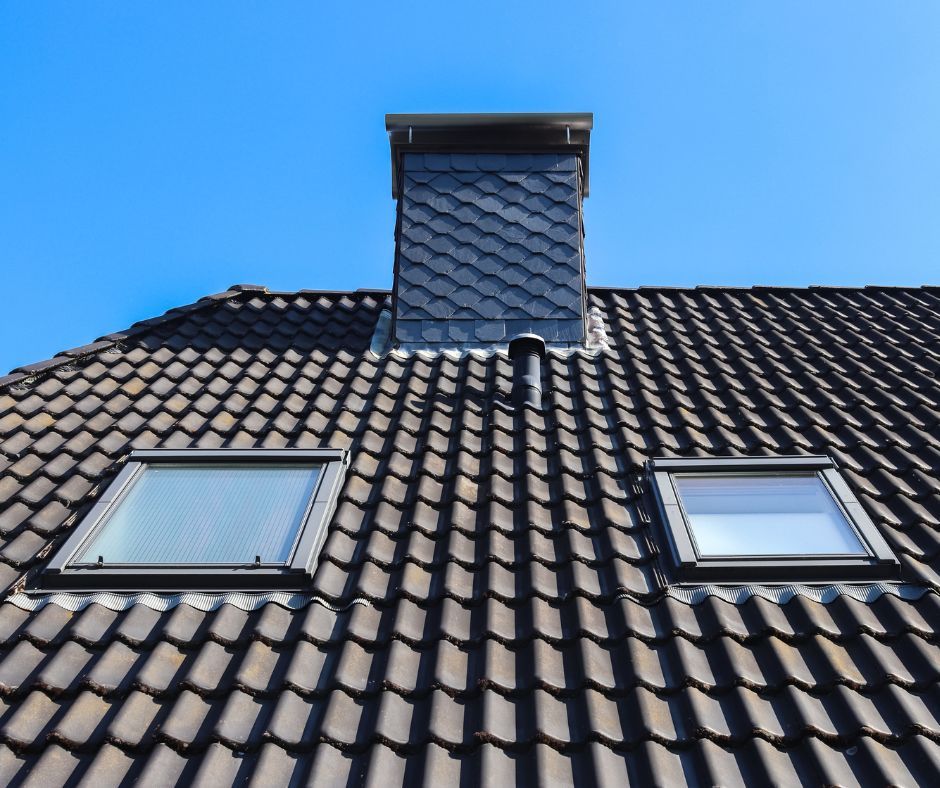
Costs and Value: What Actually Drives the Price
Skylight pricing isn’t just about the unit you pick. The roof realities around it often make the biggest difference.
Product Choice
Your skylight choice affects cost through:
- size and shape
- glazing performance (heat/UV control features)
- fixed vs venting models
- blinds and diffusers
As a general principle, the more performance and features you want, the more important it is that installation quality matches the product.
Roof Access, Height and Pitch
A single-storey, easy-access roof is typically more straightforward than a tall, steep, or complex roof. Access affects:
- safety setup
- labour time
- installation complexity
- the ability to do neat flashing work without shortcuts
Roof Condition and Pre-Install Repairs
Pre-install roof repairs are often the hidden cost many quotes don’t spell out, and they’re risk management, not an upsell. They can include replacing damaged tiles/sheets, fixing corroded fixings, and repairing valleys or junctions. You may also need existing leaks resolved and drainage improved by clearing debris from trouble spots.
Interior Finishing
Internal finishing can be minimal or quite involved, depending on the light shaft depth and ceiling setup. Costs may include plastering, painting/blending, and trim or diffuser finishing. If you want a premium result, don’t treat the internal finishing line item as optional.
Warranties and Compliance
A skylight quote should clearly spell out inclusions, workmanship coverage, and the difference between product and installation warranties. It should also state who’s responsible if problems appear later. The cheapest option often isn’t the cheapest if you end up paying again for repairs and ceiling restoration.
Installation + Aftercare: Skylight Roofing Best Practice Checklist
A skylight can be a clean, long-term win when the process is done properly. Here’s what best practice looks like:
Pre-install Inspection
Before anyone cuts into your roof, there should be a proper check for:
- Existing leaks (even minor staining inside)
- Cracked tiles, loose ridge caps, broken pointing
- Corrosion on metal roofing
- Compromised underlay/sarking
- Sagging battens or uneven roof lines
- Gutter condition and drainage patterns around the proposed skylight location
Waterproofing Essentials
Waterproofing isn’t one step, it’s a system. A solid installation should include:
- Correct flashing design for the roof type
- Proper underlay integration
- Careful detailing so water runs around the skylight, not into it
- Sealing used as a supplement, not as the main waterproofing strategy
Post-install Checks
Catching small issues early can prevent larger repairs later. After installation, keep an eye out for:
- Ceiling stains or paint bubbling around the shaft
- Damp smells in the room after rain
- Drafts (which can indicate poor sealing)
- Rattles in high winds
- Condensation patterns that don’t clear
Ongoing Maintenance
A simple routine helps skylights stay problem-free:
- Clear debris from the roof and gutters (especially after storms)
- Inspect flashing and seals periodically
- Check inside for early staining (especially after heavy rain)
- Keep wet areas ventilated to reduce condensation and mould risk
If your roof is hard to access, consider scheduling professional inspections rather than risking unsafe DIY climbs.
Are Skylights Worth It?: Depends on These Roof-First Factors
Homeowners often ask for a simple yes/no. But the honest answer depends on numerous factors, such as:
Your Roof’s Current Condition
If your roof is ageing, leaking, storm-damaged, or due for professional cleaning, fix that first, adding a skylight to a compromised roof is building on a problem. An assessment may also show you’re better off with a lower-impact option like a sun tunnel until the roof is back to a solid baseline.
Placement: Follow The Water
Roofs have water highways and valleys or complex junctions concentrate flow and debris, raising risk around penetrations. Good skylight planning avoids those zones, chooses clean run-off paths, and accounts for wind-driven rain on that roof plane.
Orientation + Room Function
Sun path matters. West-facing skylights can bring strong afternoon heat and glare. Bedrooms/media rooms often need diffusers or blinds, and bathrooms need condensation planning with a proper ventilation strategy.
Glazing and Performance Options
Modern skylights can include:
- tints and diffusers for softer light
- double glazing for better thermal performance
- blinds to control heat and glare
- venting options for airflow
Installer Quality and Warranty
With skylights, workmanship matters at least as much as the unit you buy. The flashing and waterproofing detail is what protects your home through storm seasons and heavy rain.
When comparing quotes, prioritise:
- a clear scope of work (including roof condition checks)
- experience with your roof type
- transparent workmanship warranty terms
- no-cut-corners approach
When You Should Avoid a Skylight
There are times when the smartest skylight decision is “not yet.”
- Existing roof leaks/storm damage
Fix the leak pathway first. Otherwise, you’ll never know if the moisture issue is old, new, or made worse by the installation - Roof at end-of-life or due for restoration
If your roof is due for restoration, bundle the skylight into that scope rather than cutting into a roof that may soon need larger work. - Complex roof lines/valleys everywhere
Some roofs are all junctions, valleys, and tricky drainage points. In those cases, a sun tunnel/tubular option might reduce penetration size and simplify detailing. - Rooms prone to high humidity with no ventilation plan
Without ventilation, a skylight in a wet area can become a condensation problem. Plan airflow first, then choose the skylight type that supports it.
If you’re weighing skylight pros and cons, start by checking for these situations where “not yet” is often the smartest call.
Final Word on Pros and Cons of Skylights
Skylights can be fantastic if the roof condition, placement, and flashing are done properly. They can brighten the parts of your home that never get daylight, improve airflow with venting models, and lift the overall feel of your interior. But when weighing the pros and cons of skylights, remember that because a skylight is a roof penetration, the risks, such as leaks, heat issues, and condensation, may need to be planned for, not hoped away.
A practical next step is simple. Get your roof assessed first, then plan the skylight. If you’re in Coffs Harbour, Port Macquarie, or nearby coastal areas, a roof-first inspection helps you choose the right skylight type and place it where best.
ColourMe Painting Roof Restoration can help with a roof-first assessment that looks at roof condition and the safest placement options before anything is cut. From there, you’ll get clear advice on whether a traditional skylight makes sense, or whether a lower-impact option is the smarter move for your roof and the room.
If you’d like, get in touch with us so we can arrange an inspection and provide a straightforward quote so you can move forward with confidence.
Key Takeaways
- Skylights can be brilliant for light and ventilation, but they’re a roof penetration, so install quality and roof condition are everything.
- Heat and glare are manageable with smart placement, glazing choice, and blinds.
- If your roof is ageing or already leaking, address the roof first.
- Sun tunnels and solar-powered options can be better for some roofs and room types.
FAQs
1. Are skylights worth it if my roof is older?
- They can be, but it depends on the roof’s condition. If the roof is already leaking, deteriorating, or due for restoration, it’s usually smarter to fix or restore the roof first and plan the skylight as part of that scope. That way, the waterproofing and flashing integrate cleanly and you’re not cutting into a roof that’s already compromised.
2. Do skylights always leak, or is it mainly installation and flashing quality?
- Skylights don’t “always” leak. Most leak issues come down to poor flashing design, poor installation detail, ageing seals, or placement in high-risk drainage zones (like valleys and complex junctions). A well-installed skylight in a suitable roof location can perform reliably, especially when maintenance checks are part of the long-term plan.
3. What type of skylight is best for tiled roofs vs metal roofs?
- Both roof types can suit skylights, but the detailing differs. Tile roofs often involve careful tile removal/refit and proper underlay and flashing integration. Metal roofs can allow clean cut-ins, but flashing must be designed to match the roof sheet profiles and drainage paths.
4. Do skylights make rooms hotter in summer?
- They can, particularly if they’re placed where they receive harsh afternoon sun or if the glazing isn’t designed to control heat and glare. Proper orientation, glazing performance and blinds can help. If you’re worried about summer comfort, plan skylight placement with the sun path in mind.
5. What’s the difference between a skylight and a sun tunnel/tubular skylight?
- A traditional skylight is a roof window that usually requires a larger roof opening and may involve more structural and internal finishing work. A sun tunnel (tubular skylight) uses a smaller roof opening and reflective tubing to deliver daylight to a ceiling diffuser, often with simpler installation and less roof disruption.
6. Where should a skylight be positioned on a roof to reduce leak risk?
- Generally, avoid valleys, complex junctions, and areas where debris naturally collects. Aim for a clean run-off zone where water flows predictably around the unit. Placement should also consider roof pitch, prevailing weather exposure, and the room’s function.
7. What maintenance should I do to keep a skylight performing well?
- Keep gutters and roof areas clear of debris, especially after storms. Periodically inspect the skylight externally for seal and flashing condition, and check internally for early signs of staining or damp smells after heavy rain. In wet areas, keep ventilation in mind, condensation control is part of skylight performance too.
Let’s talk about your project
Fill out the form, or call us to arrange a free roof assessment and written quote
Home Page Form