Blog
Your roof copes with sun, salt, wind and heavy rain almost all year round. When the roof space isn’t properly insulated, a big chunk of your heating and cooling is literally disappearing through the top of the house. That’s why the importance of roof insulation isn’t just a technical detail for builders, it’s something every homeowner and investor should understand.
In this guide, we’ll break down what roof insulation is, why is roof insulation important for energy efficiency and comfort, how much it will cost you and practical steps you can take to improve what’s already in your roof.
As a local, family-owned roof restoration team in Coffs Harbour and Port Macquarie,
ColourMe Painting Roof Restoration spends every day working on tiled and metal roofs. We see first-hand how a tired roof and poor insulation combine to create leaks, mould and sky-high bills, and how a well-maintained roof with good insulation keeps homes comfortable and protected in our humid subtropical climate.
What Is Roof Insulation and How Does it Work in Your Home?
Definition and Basic Principles
Roof insulation is any material installed in or around your roof and ceiling structure to slow the flow of heat between indoors and outdoors. In coastal NSW, that means:
- Slowing summer heat from baking through the roof into bedrooms and living spaces.
- Reducing winter warmth from escaping out through the ceiling.
- Helping keep indoor temperatures more stable so your air conditioning system and heater don’t have to work as hard.
Put simply, roof insulation acts like a thermal “buffer” between Coffs Harbour’s warm, humid air outside and the indoor environment you’re trying to keep comfortable.
Typical Materials and Systems Used
In Australian homes, roof and ceiling insulation usually falls into a few common categories:
Bulk Batts and Rolls:
Glasswool or rockwool batts laid between ceiling joists. Cost-effective, widely used in existing homes.
Blanket with Foil Facing:
Often used under metal roofs as a combined thermal and condensation barrier.
Reflective Foil Sarking:
Foil membranes are installed under roofing to reflect radiant heat, especially useful on metal roofs.
Spray Foam or Rigid Boards:
These are higher-end options that can improve both insulation and air sealing in tight or hard-to-reach spaces.
Blown-in Insulation:
Loose fibres blown into cavities or over ceilings to top up thin or patchy batts.
How Roof Insulation Works: Heat, Moisture and Comfort
Roof insulation primarily works in three ways:
Thermal Barrier:
Bulk materials trap still air in tiny pockets, slowing conductive heat flow through your roof and ceiling.
Radiant Control:
Reflective foils bounce a portion of the sun’s radiant heat away from the roof space.
Moisture Control Support:
Combined with good
roof sarking and ventilation, insulation helps keep your roof space drier, reducing the risk of condensation and mould on ceiling linings and timbers.
Why is Roof Insulation Important for Comfort, Bills and Your Roofing
Exploring “Why is roof insulation important?” reveals these benefits:
Energy Efficiency & Comfort
Good roof insulation slows the flow of heat through your ceiling, helping rooms stay cooler on hot days and holding in warmth on chilly winter nights.
Lowering Energy Bills
By reducing the amount of heating and cooling your home needs to feel comfortable, quality roof insulation can noticeably lower your electricity bills.
Protecting the Roof Structure and Your Home
Well-designed insulation works with ventilation and roofing materials to minimise condensation, helping to protect timbers, sarking and ceiling linings from moisture damage and mould.
Improving Indoor Air Quality & Comfort
When your roof and ceiling are properly insulated, you get fewer draughts and hot or cold spots, so your home feels more consistently comfortable and your air-conditioning can do its job more effectively.
Increasing Home Value and Market Appeal
Buyers increasingly look for homes that are cheaper to run and more comfortable year-round, so a well-insulated roof can
boost your property’s perceived value and appeal when it’s time to sell.
Importance of Roof Insulation When It Comes to Different Roof Types & Climates
In coastal towns like Coffs Harbour and Port Macquarie, you’ll see a mix of tiled and metal roofs, modern Colorbond® builds and everything in between. Each roof behaves a little differently in our warm, humid climate, but the warning signs that your insulation isn’t doing its job are similar. These everyday clues also illustrate why do we need roof insulation in the first place.
High Energy Bills
If your power bills have crept up despite similar usage, it may be a sign that your roof and ceiling may be letting too much heat in or out. Poorly insulated metal roofs, in particular, can drive summer cooling costs through the roof.
Noticeable Temperature Fluctuations Between Rooms
When bedrooms or upstairs feel like a different climate from the living room, it’s often because the insulation coverage and thickness above those rooms is inconsistent. Warm air naturally rises and without a proper insulation layer, it pools under the roof and makes the top level uncomfortable.
Roof Space Very Hot in Summer/Cold in Winter
A roof space that feels like a furnace or like a fridge on a cool evening usually indicates weak insulation or big gaps. While roof cavities will always be hotter or cooler than living areas, extreme temperatures are a clear hint that heat is streaming through the roof rather than being slowed by insulation.
Condensation, Mould or Damp in Roof Space or Ceilings
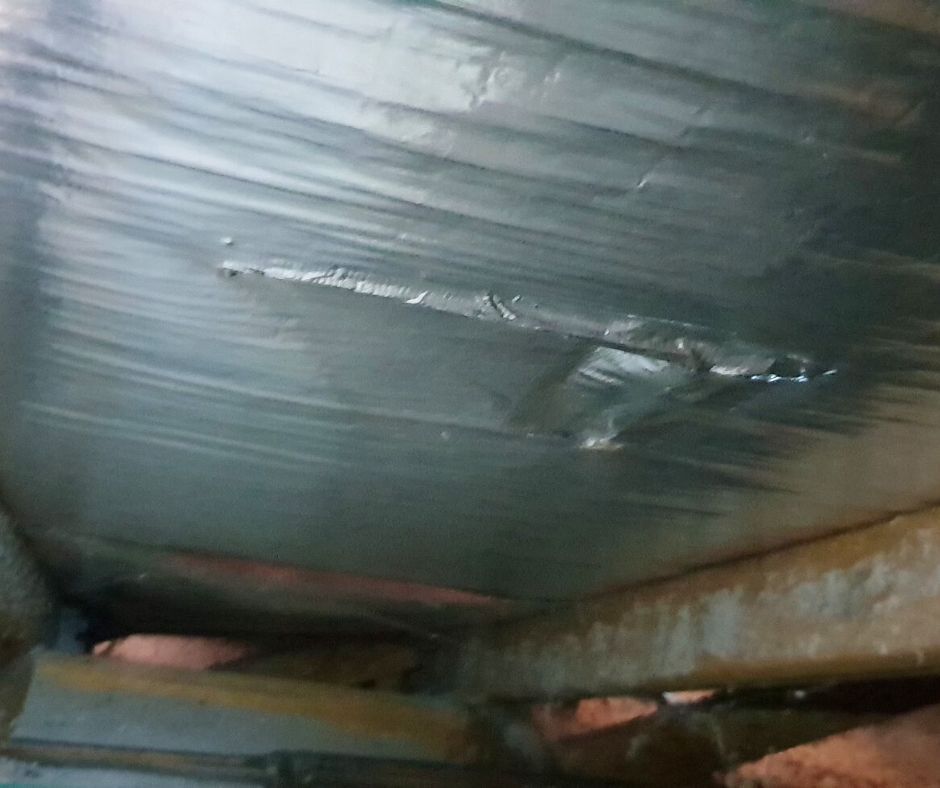
Dark staining on ceilings, mould spots in corners or visible condensation on sarking are all red flags. In our humid coastal climate, warm, moist air meeting cold surfaces can quickly turn into condensation and mould if insulation and ventilation are not working together properly.
Older Homes Built Before Modern Insulation Standards or Retrofits
Homes built decades ago may have:
- Very thin batts that have slumped or compressed over time.
- Patchy DIY insulation.
- No foil blanket under older metal roofs.
- These houses often benefit enormously from a proper insulation assessment at the same time as
roof repairs, repointing or a
full roof restoration.
How Much Roof Insulation Do You Need & Which Australian Standards Apply
Australian Standards, Building Code and R-Values
In Australia, the National Construction Code (NCC) sets minimum energy efficiency requirements for new homes and major renovations, including minimum Total R-Values for roofs and ceilings based on climate zone.
- R-Value is a measure of how well insulation resists heat flow. The higher the number, the better the performance.
- Compliance is checked at the design and construction stage, but older homes may predate current standards.
Typical R-Value Recommendations for Roofs/Attics in Australia
Australian guidance divides the country into eight climate zones. Coffs Harbour sits near the transition between Zone 2 (warm humid summer, mild winter) and the warm temperate coastal zones further south, while Port Macquarie shares similar conditions.
As a broad ballpark only (always check current NCC and local requirements), many NSW installers aim for:
- Around R3.5–R4.0 in ceilings for warm, humid coastal regions.
- Higher R-Values (R4.0–R6.0) in cooler inland or southern climates.
Going above the bare minimum often makes sense in homes exposed to full sun, darker roof colours or larger roof areas.
How to Assess Existing Insulation
You or your contractor can get a quick idea of current performance by checking:
Thickness
Modern batts are usually 200–260mm thick for higher R-Values. Thin, flattened batts won’t perform as well.
Coverage
Look for gaps around downlights, ductwork and the eaves. Any exposed ceiling plasterboard is a thermal weak spot.
Condition
Damp, mouldy, heavily compressed or rodent-damaged insulation should be replaced.
A professional inspection is recommended, especially if you also have concerns about roof leaks, cracked tiles or rusted sheets.
When Upgrading or Adding Insulation: What to Look For
When you’re planning an upgrade, consider:
- Correct R-Value for your climate and roof construction.
- Compatibility with existing materials (e.g. sarking under a metal roof or ventilation needs).
- Quality of installation (neat, complete coverage without blocking ventilation paths).
- Working in with any roof restoration works so insulation isn’t disturbed later.
Choosing the Right Roof Insulation Type for Your Home
Before you pick a product off the shelf, think about your roof type (tile vs metal), access to the roof space, and whether you’re building, renovating or topping up an older home.
Batts (Glasswool, Rockwool)
Glasswool and rockwool batts are the most common choice in existing homes across Coffs Harbour and Port Macquarie:
- Installed between ceiling joists.
- Available in a wide range of R-Values.
- Relatively easy to top up if previous insulation is thin or patchy.
Foil/Reflective Insulation
Reflective foil products (including foil-backed blankets and sarking) are especially useful under metal roofs:
- Reflect a portion of the radiant heat from the sun.
- Help manage condensation under metal roofing when installed with appropriate air gaps and ventilation.
- Often combined with bulk batts for best results.
Spray Foam, Rigid Board and Blown-in Options
For more complex roofs or where you want both insulation and air-sealing benefits:
- Spray foam can seal hard-to-reach gaps but must be installed by trained professionals.
- Rigid boards (often foam-based) are used in some roofs and flat roof systems.
- Blown-in insulation can be useful for topping up existing ceilings without major disturbance.
These are usually higher-cost options and need careful design to ensure moisture and ventilation are handled correctly.
Eco / Natural Materials
For homeowners prioritising lower embodied energy or more natural materials, options like cellulose (recycled paper) or sheep’s wool batts are available:
- Offers good thermal performance when correctly specified.
- Can improve acoustic performance and, in some cases, indoor air quality perceptions.
They’re typically a premium choice but can be appealing in renovations where sustainability and comfort are key selling points.
Step-by-Step: Improving Roof Insulation in an Existing Home
Step 1: Get a Professional Inspection
Start by having your roof and ceiling space inspected by qualified trades. A local team familiar with Coffs Harbour and Port Macquarie conditions will look for:
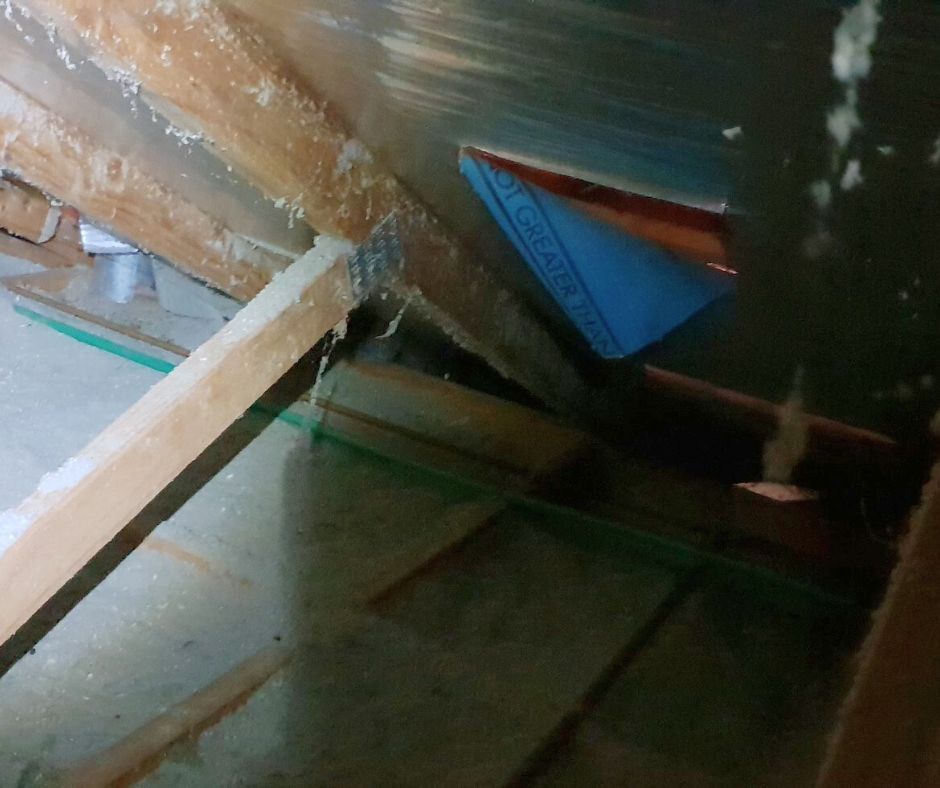
- Existing insulation type, coverage and condition.
- Signs of leaks, rust, cracked tiles or failing pointing.
- Ventilation issues or condensation marks in the roof space.
Step 2: Identify the Insulation Upgrade Scope
Using the inspection findings, your roofer will define what’s needed. This is where you balance budget, performance and access to the roof space.
Step 3: Choose the Right Contractor/Materials
Look for contractors who:
- Understand NCC and local NSW insulation requirements.
- Have experience with your roof type (e.g. tiled vs metal) and local conditions.
- Offer clear, written quotes and warranties.
Step 4: Installation & Quality Control
During installation, make sure that:
- Insulation is continuous, with no gaps around downlights, manholes and ducting (while respecting safety clearances).
- Ventilation paths are maintained so the roof space can breathe.
- Any new sarking or foil is installed with correct laps and air gaps.
- Roof repairs and restoration are completed, so leaks don’t compromise new insulation.
Step 5: After-Care & Ongoing Maintenance
Insulation isn’t a “set and forget forever” item. Build it into your regular roof care:
- Check the roof and gutters after major storms.
- Ask your roofer to keep an eye on the insulation condition when they’re carrying out repairs or maintenance.
- Address leaks quickly so insulation doesn’t become waterlogged or mouldy.
Why Do We Need Roof Insulation for Areas like Coffs Harbour & Port Macquarie
Roof insulation might be out of sight, but it has a huge impact on how your home feels and what it costs to run. We’ve looked at the importance of roof insulation in cutting energy bills, keeping rooms comfortable, protecting your roof structure and lifting the overall value and appeal of your property.
If your home is older, your bills are climbing, or you’ve noticed hot and cold spots, now is the ideal time to reassess what’s happening above your ceiling. A professional roof inspection and insulation assessment can highlight quick wins and longer-term improvements.
ColourMe Painting Roof Restoration helps homeowners restore, repair and maintain their roofs. If you’re ready to understand why is roof insulation important for your home,
book a free roof assessment, so we can give you clear, practical recommendations for your roofing system.
Frequently Asked Questions
What is the difference between roof insulation and ceiling insulation?
“Roof insulation” often refers to products installed within the roof structure itself (such as foil blankets or sarking under metal sheets), while “ceiling insulation” usually means bulk batts or loose-fill on top of the ceiling plasterboard. Many Australian homes benefit from a combination of both, especially in sunny coastal climates.
How much can I save on energy bills by insulating my roof?
The exact savings will depend on your home, climate, existing insulation and how you use heating and cooling, but most households notice that once the roof is properly insulated, their heater and air-conditioner don’t need to run as often or as long to keep the home comfortable, which can translate into noticeably lower energy bills over time.
Is insulation a one-time job or does it need replacing over time?
Insulation is designed to last for many years, but it’s not always a true “set and forget” job. Over time, it can slump, get damp, be damaged by pests or be disturbed during roof works, so it’s wise to have it checked periodically and replaced or topped up if it’s no longer performing well.
Will adding insulation affect my home’s ventilation or cause condensation problems?
Insulation itself doesn’t have to cause condensation, but poor installation can. Blocking eave vents, packing insulation hard against metal roofing without appropriate air gaps or covering existing vents can trap moist air and create condensation issues. A good installer will balance insulation with adequate roof ventilation and, where needed, vapour-permeable sarking.
Can I install roof insulation myself or should I hire a professional?
Small top-ups in easy-access roof spaces can be DIY if you’re confident, safe at heights and follow all safety guidelines. However, working in roof cavities around electrical wiring, downlights and fragile ceilings is risky. It’s always safer and more effective to contact professional roofers.
How do I know if my current insulation is performing well?
Signs of poor insulation include hot or cold spots between rooms, large differences between upstairs and downstairs temperatures, high energy bills and a roof space that feels extremely hot on mild days. A visual inspection of the roof cavity to check thickness, coverage and condition of the batts is the best next step, ideally done as part of a roof inspection.
What are the risks of not insulating my roof?
Without adequate roof insulation, you may face:
- Higher heating and cooling bills.
- Uncomfortable rooms, particularly upstairs or under dark roofs.
- Greater risk of condensation and mould issues in the roof space.
- More wear and tear on your HVAC systems as they work harder.
Over time, this can also affect the condition of your roof structure and ceiling linings.
Does insulation increase the value of my house when selling?
Insulation isn’t always visible on a listing, but buyers are increasingly aware of running costs and comfort. Being able to show that the roof has been recently restored and that the home meets or exceeds modern insulation expectations is a strong selling point, especially in competitive markets.
Are there government rebates or incentives for roof insulation in Australia?
Rebates and incentives change over time and can vary by state. In NSW, insulation often forms part of broader energy-efficiency programs and schemes, rather than standalone roof-insulation rebates. It’s worth checking current federal and state government energy-efficiency or home-upgrade schemes, as well as speaking with your installer about any programs they participate in.
What materials are best for my climate zone (e.g., NSW coast vs inland)?
For the NSW coastal strip around Coffs Harbour and Port Macquarie with warm, humid summers and mild winters, a combination of bulk ceiling batts (around R3.5–R4.0) and reflective sarking or blankets under metal roofs is common. Inland or cooler regions may benefit from higher R-Values and slightly different product choices. The best solution for your home depends on your exact climate zone, roof type and budget, so an assessment from your local, trusted roofer is important.
Let’s talk about your project
Fill out the form, or call us to arrange a free roof assessment and written quote
Home Page Form