Blog
Summer in Coffs Harbour can feel relentless. Hot, humid days, warm nights and top-storey bedrooms that never quite cool down. Add in rising power prices and constant AC use, and it’s no wonder homeowners are looking for smarter ways to keep their homes comfortable.
You’ll see big promises online, “Slap on a heat reflective coating and your roof, house and power bills will all magically cool down overnight.” But the reality is more complex. Quality cool roof systems can make a real, measurable difference only when they’re used on the right roof, applied properly, and backed up by good insulation and ventilation.
In this guide, we’ll give you a clear breakdown of the question “Does reflective roof paint work?”, what it can’t do, and how to decide if it’s the right move for your Coffs Harbour or Port Macquarie roof.
Quick Answer for Coffs Harbour Roofs: Does Reflective Roof Paint Work?
The Short Answer
If you’re wondering, “Does heat reflective roof paint work?” the short answer is yes, provided you choose a genuine cool roof product and it’s applied properly. These coatings are designed to reflect more of the sun’s energy and shed heat faster than standard roof paints, which can make a big difference on darker or sun-exposed roofs.
But it’s important to be clear that it won’t magically make your home cold naturally on its own. What it really does is cut down heat at the roof surface, and the biggest benefits show up when it’s working together with decent ceiling insulation, smart roof colour choices and good ventilation.
What Working Actually Looks Like
In practice, “working” means:
- Noticeably cooler roof surfaces on hot days compared with the same roof in a standard or older coating.
- Smaller temperature swings in top-storey rooms and roof spaces, especially under metal or dark roofs.
- Reduced workload on your air conditioning over the summer.
- For big commercial roofs (sheds, warehouses, shopping centres), the effect can be more significant because of the sheer area of sun-exposed roofing.
So when you ask “Are reflective roof paints effective?”, the realistic answer is yes, especially on hot, sunny, darker roofs, provided the rest of the building (insulation, sarking, ventilation and design) is working with them, not against them.
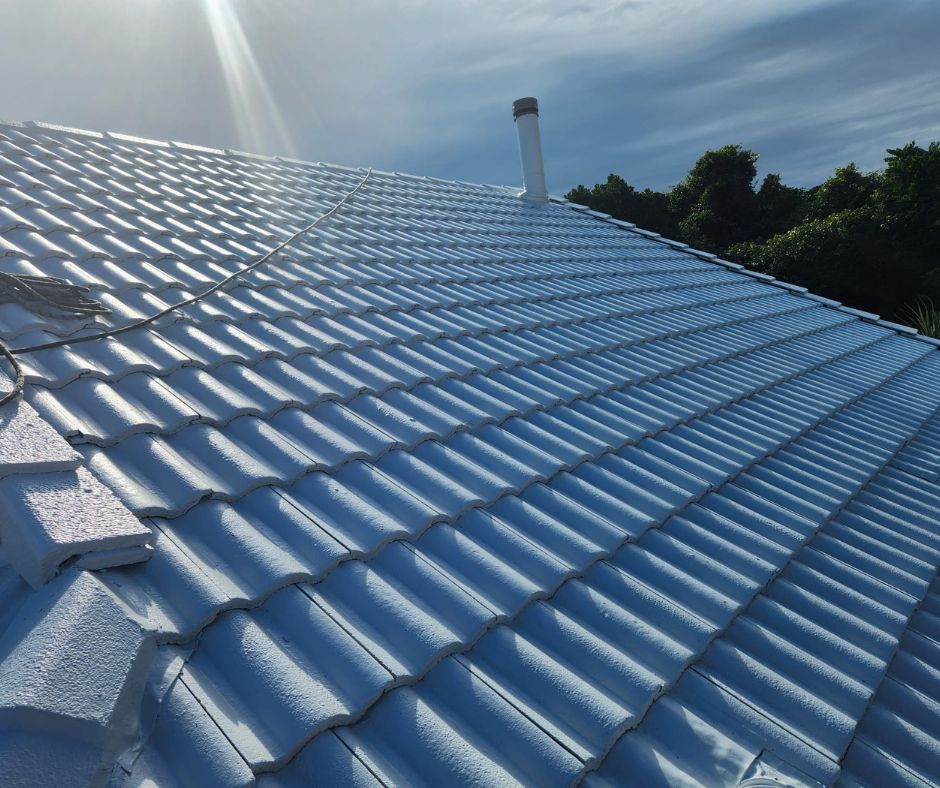
What Is Heat Reflective Roof Paint?
Definition and Alternative Names
You’ll hear a few different terms for the same family of products:
- Heat reflective roof paint
- Solar reflective paint
- “Cool roof” coatings or membranes
- Thermal or infrared reflective coatings
They’re all designed to do more than just look good and are formulated to reflect a higher proportion of the sun’s energy and release heat more quickly. You’ll see them on homes, commercial sheds, warehouses, shopping centres and industrial roofs all over NSW.
How It’s Different From Standard Roof Paint
Standard roof paints focus on colour, coverage and general durability. They can be high quality, but most dark and mid-tone colours still absorb a lot of solar radiation.
Heat reflective coatings add:
- Special pigments (often infrared-reflective) that push more of the sun’s infrared energy back into the atmosphere
- Higher solar reflectance (how much light they bounce) and thermal emittance (how efficiently they let go of heat)
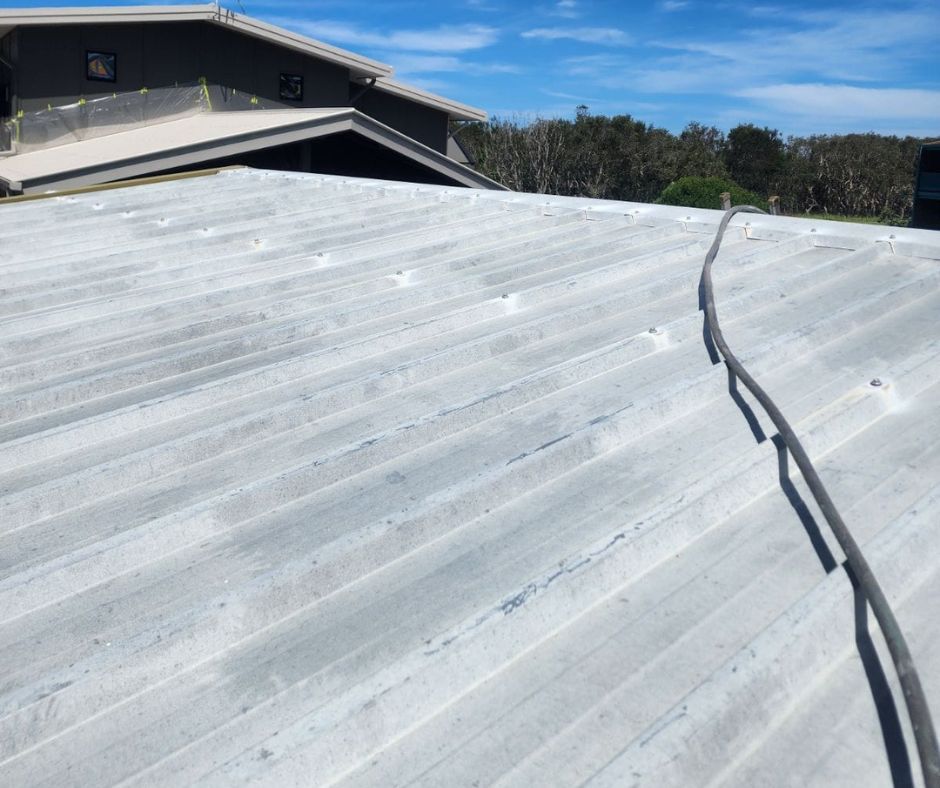
In simple terms, two roofs can be painted the same colour, but the one with a proper reflective coating can run significantly cooler during hot, sunny days, even though they look identical from the street.
Busting 10 Common Myths About Reflective Roof Paints
Myth 1: “Reflective roof paint will completely stop heat from getting into my home.”
No coating can block 100% of heat. A reflective system reduces how hot the roof surface gets, which means less heat entering the roof space, but insulation, ventilation, glazing and general building design are still huge pieces of the puzzle.
Myth 2: “Reflective paint replaces ceiling insulation.”
Reflective paint and insulation do completely different jobs. The coating helps keep the roof cooler during the day, while insulation slows heat flow in both summer and winter. Together they work brilliantly, but are reflective roof paints effective only as a “swap” for insulation? No. You still need batts in the ceiling.
Myth 3: “It only works if the roof is bright white.”
White generally delivers the highest solar reflectance, but modern cool roof systems use special pigments so even mid-tone greys, beiges and earthy colours can reflect more heat than standard paints in the same shade.
Myth 4: “Any white or light-coloured paint is ‘heat reflective paint.’”
A basic white acrylic will reflect more light than a dark, black shade, but that doesn’t make it a true cool roof coating. Genuine reflective systems come with tested solar reflectance and performance data, not just a light colour paint.
Myth 5: “It works the same on every roof and in every climate.”
Results vary with climate, roof colour, pitch, orientation, insulation, roof type (metal vs tile), and how much shade your roof gets. A dark, unshaded Colorbond roof is a different story to a pale tiled roof tucked under trees.
Myth 6: “Reflective roof paint will fix leaks and roof damage.”
Paint is not a structural repair. If you’ve got cracked tiles, rusted sheets or dodgy flashing, they need to be fixed first. The coating is the final protective layer in a proper roof restoration, not a shortcut around important maintenance.
Myth 7: “It will instantly slash my power bills by 50%.”
Reflective coatings can contribute to lower cooling costs, but the savings depend on how often you run your AC, the size and shape of the building, insulation levels and your thermostat habits. It’s more accurate to say they help reduce cooling load, not promise specific bill cuts.
Myth 8: “It’s just about looks, not performance.”
Yes, it refreshes a tired roof and boosts street appeal, but properly specified reflective systems also cut roof surface temperatures and can help reduce UV and thermal stress on the roof, which may support longer coating life.
Myth 9: “Anyone can DIY reflective roof paint with the same results as a pro.”
Working at height is risky, and cool roof systems rely on the right cleaning, repairs, primers and film thickness. A professional application is also usually required to protect product warranties and deliver the performance you’re paying for.
Myth 10: “It will make my house too cold in winter.”
In most Australian climates, summer cooling gains far outweigh any minor loss of cooler-season solar warmth through the roof. Comfort in those colder, wetter months is driven more by insulation, sealing gaps and cracks, and good glazing than roof colour alone.
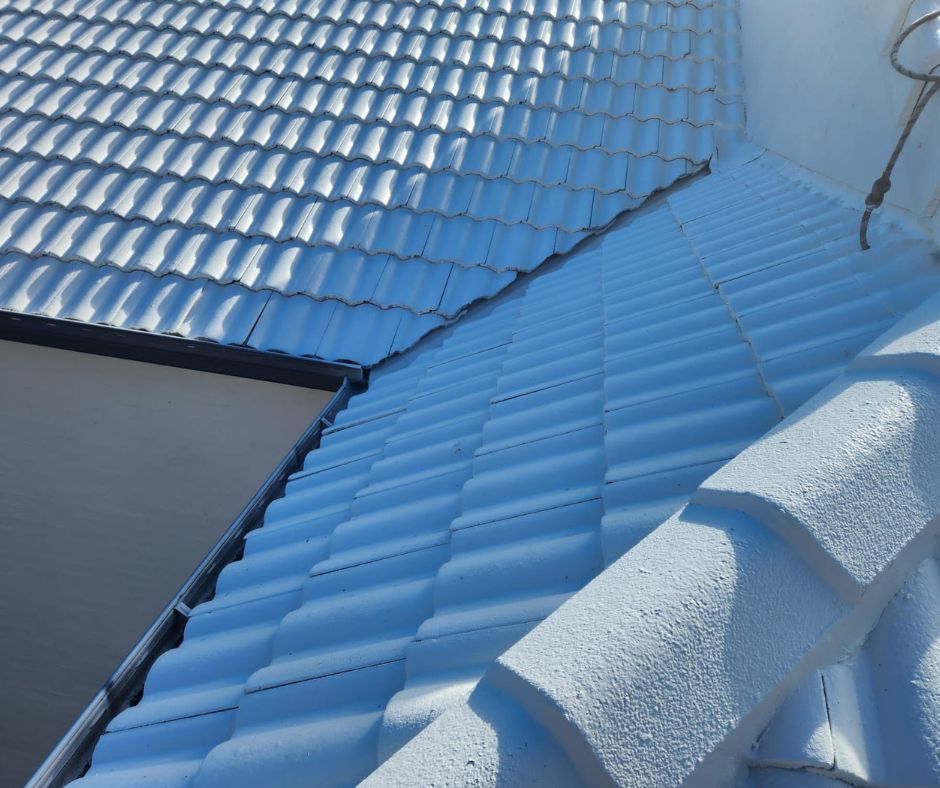
Are Reflective Roof Paints Effective and How They Actually Work
The key ideas are:
Solar Reflectance
How much sunlight (including invisible infrared) is bounced away instead of being absorbed. A high-reflectance coating acts a bit like a brighter, more “mirror-like” surface for the sun’s energy, sending a larger share of that energy back into the atmosphere so less heat gets into the roof in the first place.
Thermal Emittance
How efficiently the coating releases any heat it does absorb. A coating with high thermal emittance lets the roof shed heat more quickly, rather than behaving like a hot plate that keeps radiating warmth into your roof space well into the evening.
If you’re wondering, “Does heat reflective roof paint work?”, a big clue is how it deals with infrared radiation. A big part of the sun’s energy arrives as infrared radiation, which is the main driver of that “baking hot” roof effect. Heat-reflective coatings are loaded with special pigments that are designed to bounce a good chunk of this infrared energy away from the roof and up into the atmosphere, while also helping the roof release any heat it does absorb more quickly. Together, that higher solar reflectance and thermal emittance mean a cooler roof surface and less heat making its way into your home or building.
Impact on Your Roof and Building
When a reflective coating does its job, the first change happens at the roof surface. Because the roof isn’t getting as hot, there’s less heat flowing into the roof space, which means your ceiling and insulation have a lighter workload. Instead of acting like a giant radiant heater over your rooms, the roof runs cooler and your indoor temperature stays more stable, especially later in the afternoon.
The difference is most noticeable on:
- High-sun, darker roofs that used to get extremely hot
- Large roof areas with minimal shade, such as sheds, warehouses and shopping centres
Why Colour Still Matters
Colour still plays a significant role in how hot your roof gets. Lighter colours naturally reflect more of the sun’s energy, while darker colours tend to soak it up and run hotter. Modern cool roof paints can make darker colours act “cooler” than standard paints in the same shade by using special reflective pigments, but physics still wins in the end. A very dark roof will almost always run warmer than a light one, even with a reflective coating.
Top Benefits of Reflective Roof Paint for Homes & Businesses
More Comfortable Indoor Temperatures
By cooling the roof surface and cutting heat entering the roof space, reflective coatings can noticeably reduce how hot top-storey rooms and mezzanines feel, particularly under metal roofs and in older or lightly insulated buildings.
Lower Cooling Costs
When the roof isn’t getting as hot, your AC doesn’t need to run as long or as hard to keep things comfortable, which can add up to noticeable energy savings over time, especially in big commercial buildings and homes with large, sun-exposed roofs.
Longer Roof Life and Reduced Maintenance
High surface temperatures and UV are tough on roofing materials and coatings. By reducing those stresses, reflective systems can help slow down chalking, cracking and general weathering, especially when paired with a proper roof restoration and quality products.
Sustainability and Urban Heat Reduction
Using less energy for cooling means fewer greenhouse gas emissions, and having more reflective roofs can help ease the “urban heat island” effect where suburbs stay hotter into the evening.
The Limitations: What Reflective Roof Paint Can’t Do
It Doesn’t Replace Insulation
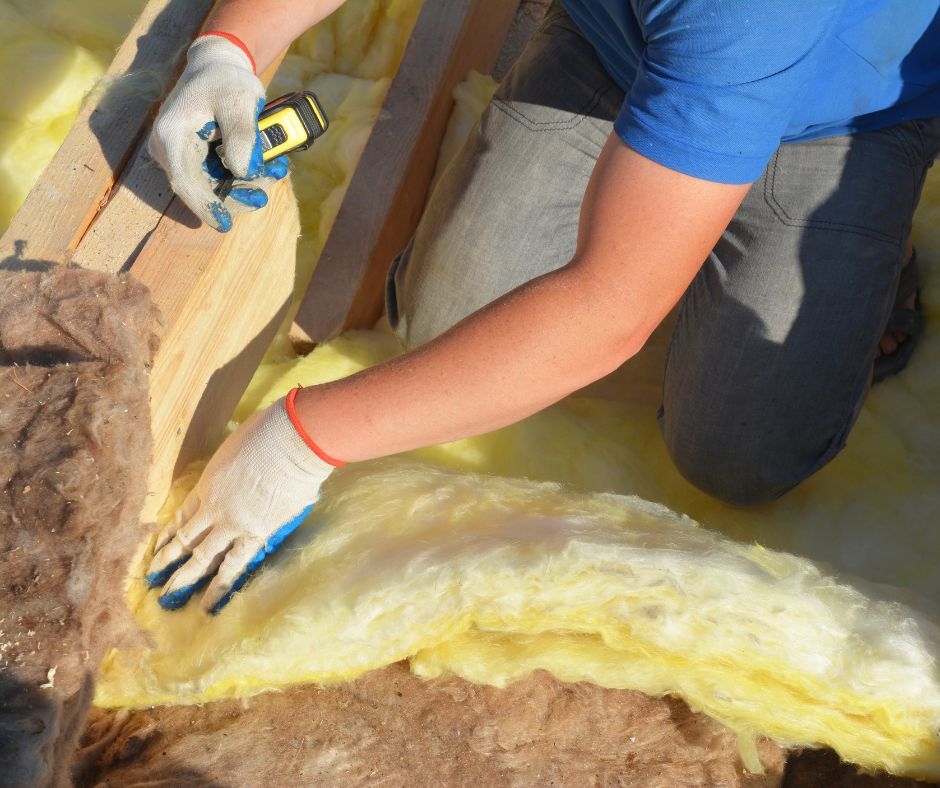
Reflective coatings are a great partner for insulation, not a substitute. Insulation is still important for winter warmth and for slowing heat flow through ceilings and walls. Without it, even the best coating will be fighting an uphill battle.
It Won’t Keep All The Heat In During Winter
These paints are designed to reflect solar energy, not “trap” warmth. In some climates, there can be a small trade-off in how much sun-warmth the roof picks up during cooler months, but around Coffs Harbour’s milder winters, that effect is usually minor compared with the summer comfort gains.
It Can’t Fix Structural or Waterproofing Problems
Reflective paint won’t repair leaks, rust holes, cracked tiles or faulty flashing. Those issues must be professionally repaired first. The coating then acts as the finishing membrane in a full roof restoration and protection system.
Roof Types and Locations Where Reflective Paint Shines
Colorbond and Metal Roofs
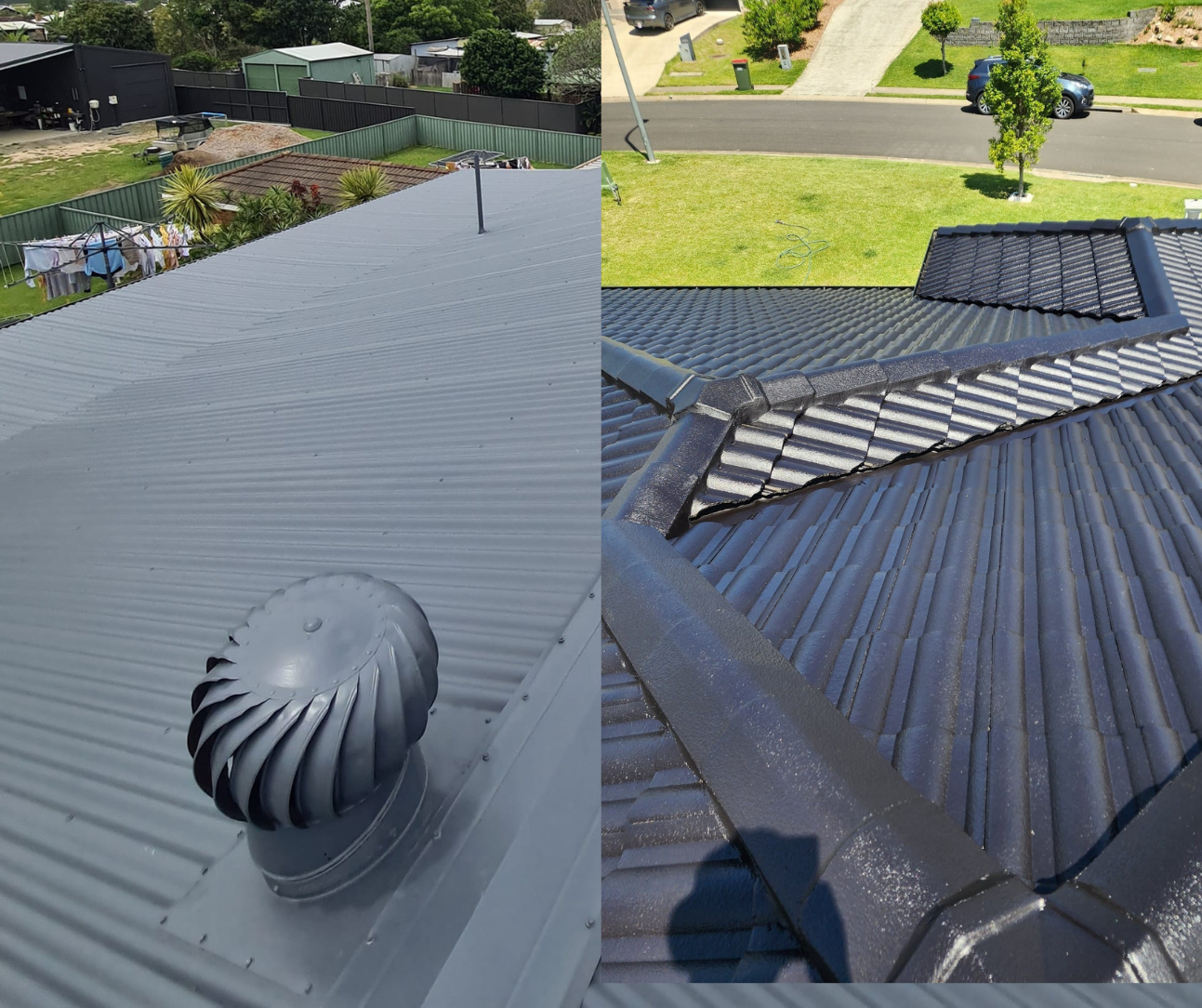
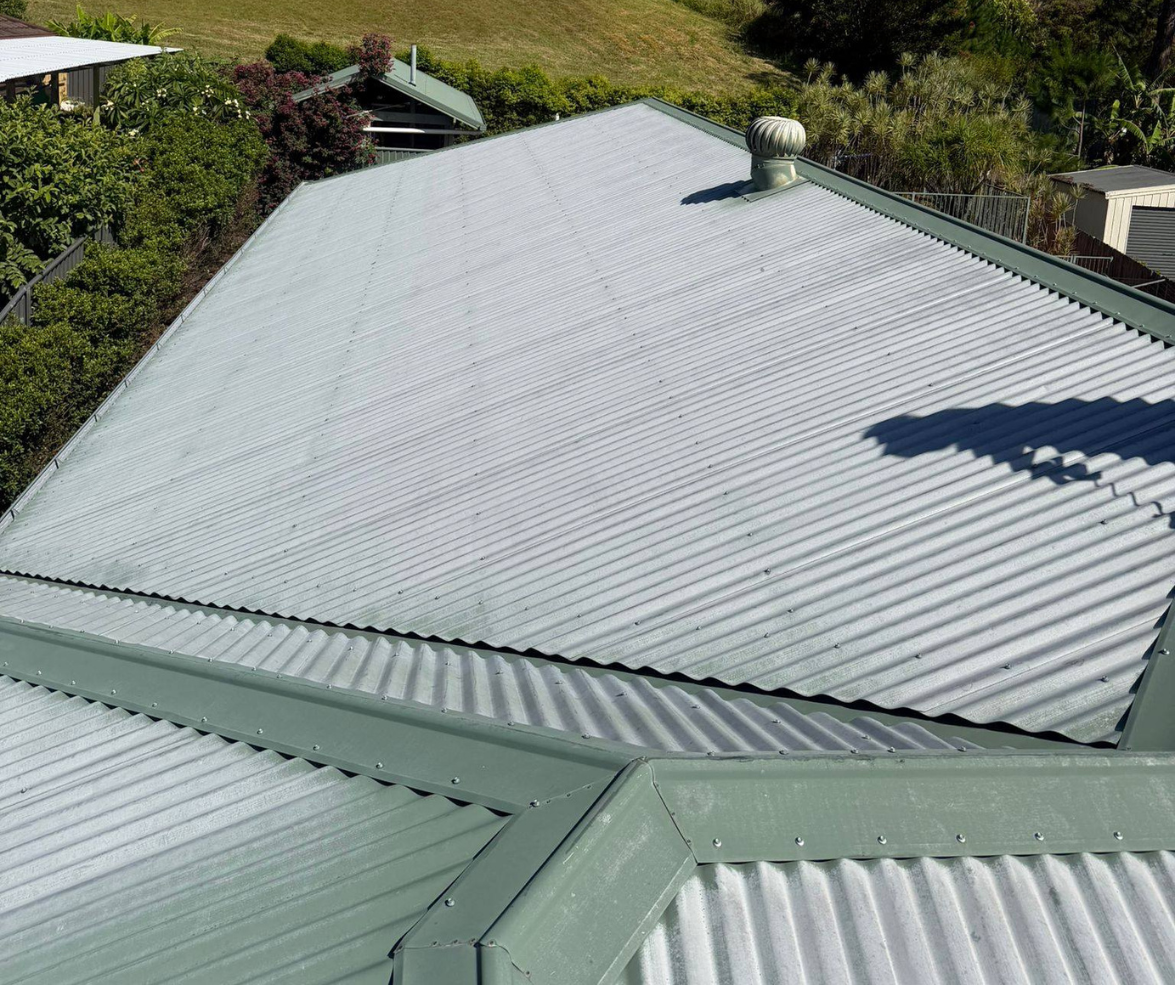
Metal roofs are some of the best candidates for reflective coatings. Their broad, smooth surfaces often sit in full sun all day. A quality cool roof system can noticeably cut how hot they get, particularly on the darker colours you see across many newer builds.
Tiled Roofs
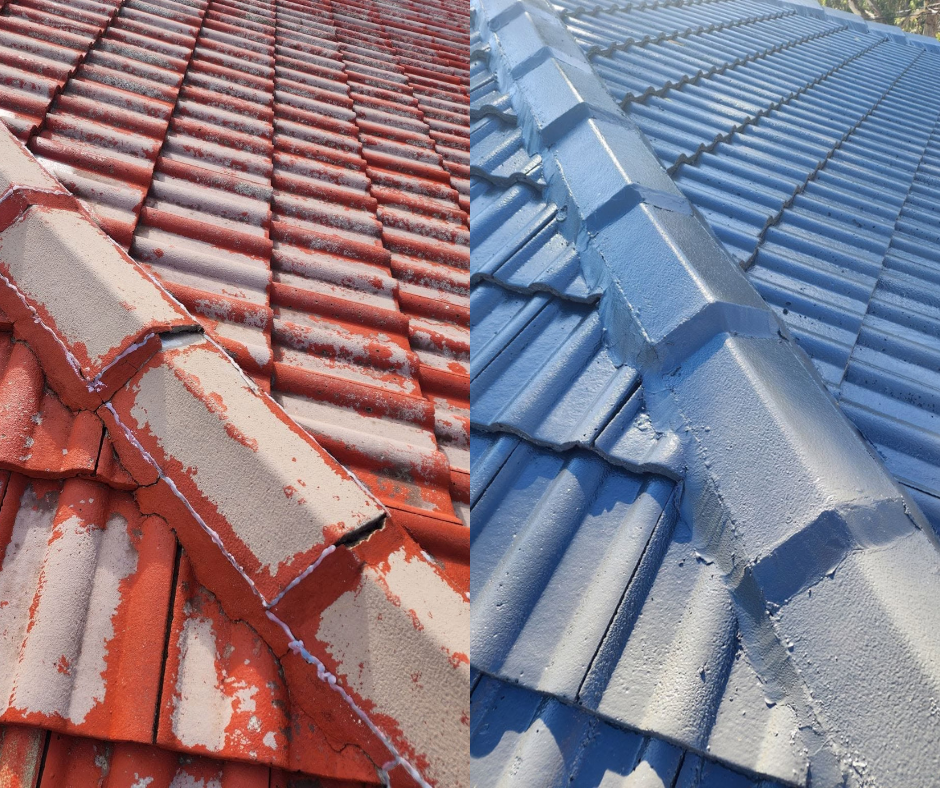
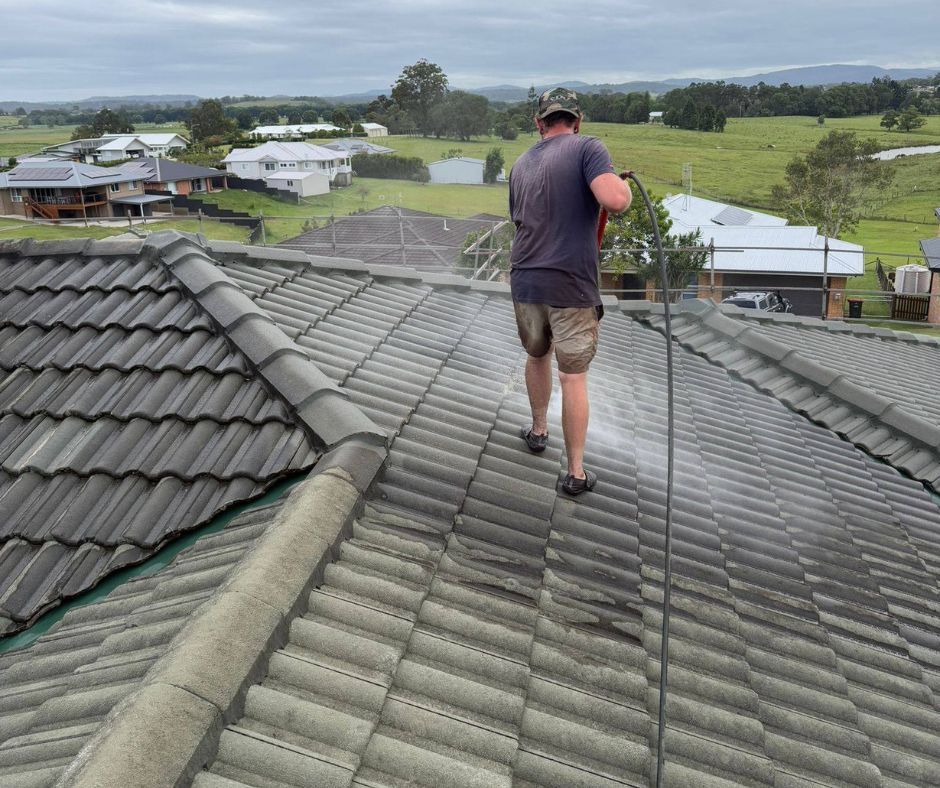
Tiles can also benefit, as long as they’re properly cleaned, repaired and primed as part of a full roof restoration. It would be beneficial to upgrade both the colour and thermal performance at once.
Flat and Low-Slope Commercial Roofs
Big, low-slope roofs on warehouses, shopping centres and industrial facilities are classic candidates. The larger the sun-exposed area, the bigger the potential comfort and energy gains.
Coastal and High-Sun Regions
Coastal NSW roofs endure strong UV, salt and weather. In areas like Coffs Harbour, Port Macquarie and the southern beaches around Sawtell and Boambee, reflective coatings combined with quality restoration help roofs cope better with harsh summer conditions and sea air.
What Really Determines The Answer to “Does Heat Reflective Roof Paint Work?”
Product Quality and Brand
Not every “heat reflective” paint performs the same. It’s worth choosing reputable brands and full coating systems that publish proper solar reflectance or SRI (Solar Reflectance Index) figures, and making sure the product is matched to your roof material. Around Coffs Harbour, many professional roof painters use systems from leading manufacturers specifically formulated for Australian sun and coastal conditions.
Roof Colour and Solar Absorptance
Solar absorptance (SA) is a measure of how much solar energy a surface takes in. Light colours like off-whites and pale greys have low SA (they absorb less heat), while darker colours have high SA (they take in more). Even within the COLORBOND® colour range, there are big differences in SA and SRI between colours, so your colour choice has a major impact on how hot your roof will run.
Roof Condition And Preparation
Performance and lifespan depend heavily on:
- Thorough cleaning (removing dirt, chalk, moss and rust)
- Repairs and re-bedding/re-pointing where needed
- The right primers for tile vs metal
Skipping these steps is a fast way to end up with peeling or underperforming coatings.
Insulation, Ventilation and Building Design
Cool roof paint is one piece of an energy-efficiency puzzle. The effect is multiplied when:
- Ceiling insulation meets current standards
- Roof space ventilation is adequate
- The building design uses sensible shading, eaves and window placement
Is Reflective Roof Paint Worth It? Weighing Cost vs Benefit
Upfront Cost Compared to Standard Repaint
Reflective roof systems typically cost more per litre than standard roof paints and can require extra primers or membranes. But when you factor in potential cooling savings, improved comfort and the likelihood of a longer-lasting finish, they can represent strong value on the right roof.
Situations Where It’s a Strong Yes
A reflective system is often a smart choice when:
- You’re in a hot, sunny coastal climate with a dark, exposed roof.
- You run air-conditioning heavily through the summer.
- You’re already planning a roof restoration or repaint and want to upgrade colour and performance at the same time.
When A Standard Repaint or Other Upgrades May Make More Sense
If your roof is well shaded, your home is highly insulated, or you’re in a cooler micro-climate, a standard repaint in a lighter colour might be sufficient. If the roof is leaking, rusted or structurally tired, repairs or a full restoration should be the priority before thinking about any coating.
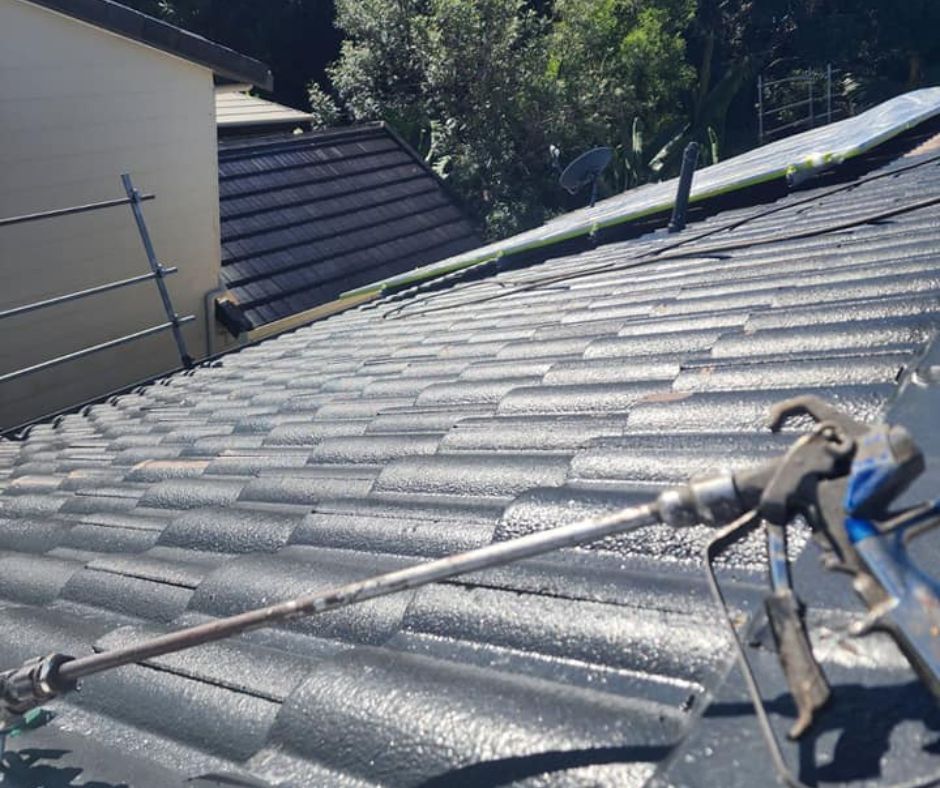
How ColourMe Painting Roof Restoration Delivers Cool, Durable Roofs
ColourMe Painting Roof Restoration is a local roof restoration and painting specialist based in Coffs Harbour, with over 17 years in business and more than 35 years of experience in the painting industry. Our team focuses on doing the job properly the first time using top-quality materials and professional equipment that’s built for our coastal conditions.
Our approach is always roof-first, paint-second. We start with a detailed inspection and free roof assessment, then take care of any repairs your roof needs. Once the roof is sound, we complete a thorough cleaning, apply the correct primers, and finish with a carefully specified multi-coat system designed to perform and last.
We match every coating system to your roof type and local climate, recommending lighter or cool-roof colours where heat reduction is a priority, and preferring Australian-owned and made products wherever possible.
Whether you need
full roof restoration,
roof painting,
roof repairs or modern heat-reflective roof coatings, we’re here to help. If you’d like to see what we can do for your home or commercial building, get in touch to
book a free roof inspection and quote.
Key Takeaways
- So, does reflective roof paint work? Yes! Quality systems have proven effective, especially on hot, sun-exposed roofs in coastal climates like Coffs Harbour.
- Expect cooler roof surfaces, improved comfort in top-storey rooms and reduced cooling loads, rather than an instant 50% cut on energy bills.
- Reflective paint is not a replacement for insulation or proper roof repairs. It’s one important part of a bigger energy efficiency plan.
- The best results come from quality coatings, the right colour choice, thorough preparation and professional application by experienced roof painters like ColourMe Painting Roof Restoration.
Frequently Asked Questions
1. Does reflective roof paint work in Australian conditions?
- Yes. In hot, sunny climates like coastal NSW, reflective coatings have been shown to reduce roof surface temperatures and ease the load on cooling systems, especially on darker roofs and larger buildings. Performance will vary with roof type, colour, insulation and how exposed your roof is.
2. How much cooler can reflective roof paint make my house?
- Most of the action happens on the roof surface and in the roof space. On a hot day, a good cool roof system can make the roof significantly cooler than a standard coating in the same colour, which typically translates to noticeably cooler top-floor rooms and less radiant heat from the ceiling.
3. Will reflective roof paint lower my power bills?
- It can help. By reducing how hard your AC has to work in summer, reflective coatings can contribute to lower cooling energy use over time. The actual savings depend on your roof size, colour, insulation levels, how often you run the AC and the local climate.
4. Does reflective paint work on Colorbond and metal roofs?
- Yes, metal roofs are some of the best candidates. Large, smooth, sun-exposed Colorbond surfaces respond particularly well to heat reflective coatings, especially when you choose lighter or “cool” colours and follow the correct preparation and priming steps.
5. Can I use reflective roof paint on tiled roofs?
- Yes, provided the tiles are sound, properly cleaned and repaired, and the right primers and membranes are used as part of a roof restoration system. Many Coffs Harbour tiled roofs combine repairs, cleaning and a reflective topcoat in one project.
6. Does reflective roof paint replace ceiling insulation?
- No. Insulation and reflective coatings do different things and work best together. Insulation is crucial for controlling heat flow in both summer and winter, while reflective paint simply reduces the amount of heat that reaches that insulation in the first place.
7. How long does reflective roof paint last?
- Lifespan depends on product quality, roof preparation, application, local climate and maintenance. With quality systems, professional application and Coffs Harbour’s coastal conditions, many reflective roof coatings are designed to perform well for years as part of a properly maintained roof restoration.
8. Is reflective roof paint worth the cost for commercial buildings?
- Often, yes. Large commercial roofs with long operating hours and heavy cooling loads can see strong returns from reflective systems, not just in energy savings, but also in improved comfort for staff and customers on mezzanines or under roof spaces.
9. Can I DIY reflective roof paint or should I hire a professional?
- For safety and performance, a professional application is strongly recommended. Roof work involves height risks, and cool roof systems rely on correct cleaning, repairs, primers and film build to perform as advertised and keep warranties valid.
10. Will reflective roof paint affect my solar panels?
- Solar panels are designed to handle high light exposure and are usually mounted above the roof on rails. Reflective coatings can slightly change how light bounces around the roof surface, but in practice they don’t generally harm solar performance and cooler roof temperatures can even help panels operate in a more favourable temperature range.
Let’s talk about your project
Fill out the form, or call us to arrange a free roof assessment and written quote
Home Page Form